In 1950, in a paper entitled ‘Computing Machinery and Intelligence’1, Alan Turing proposed his ‘imitation game’. Now known as the Turing test, it addressed a question that seemed purely hypoth...
A growing chasm separates those building around AI from those still debating it—and it has nothing to do with model size or vendor choice. On one side: people who aren’t fixated on measuring or ju...
In 1937, the British economist Ronald Coase asked a question that seems almost embarrassingly simple: why do firms exist at all? If markets are so efficient at allocating resources, why don’t we...
We’ve seen incredible momentum toward files as the memory layer for agents, and this has accelerated significantly over the last year. But why use the file system, and why use Unix commands? What ar...
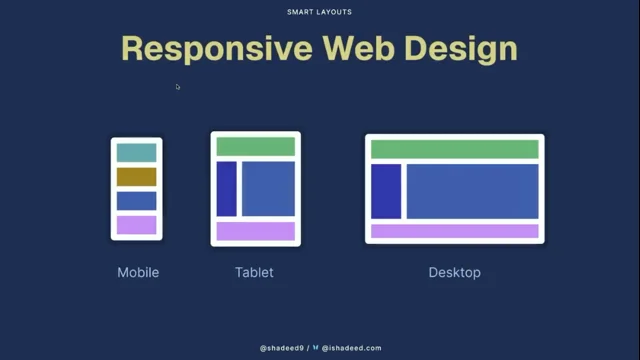
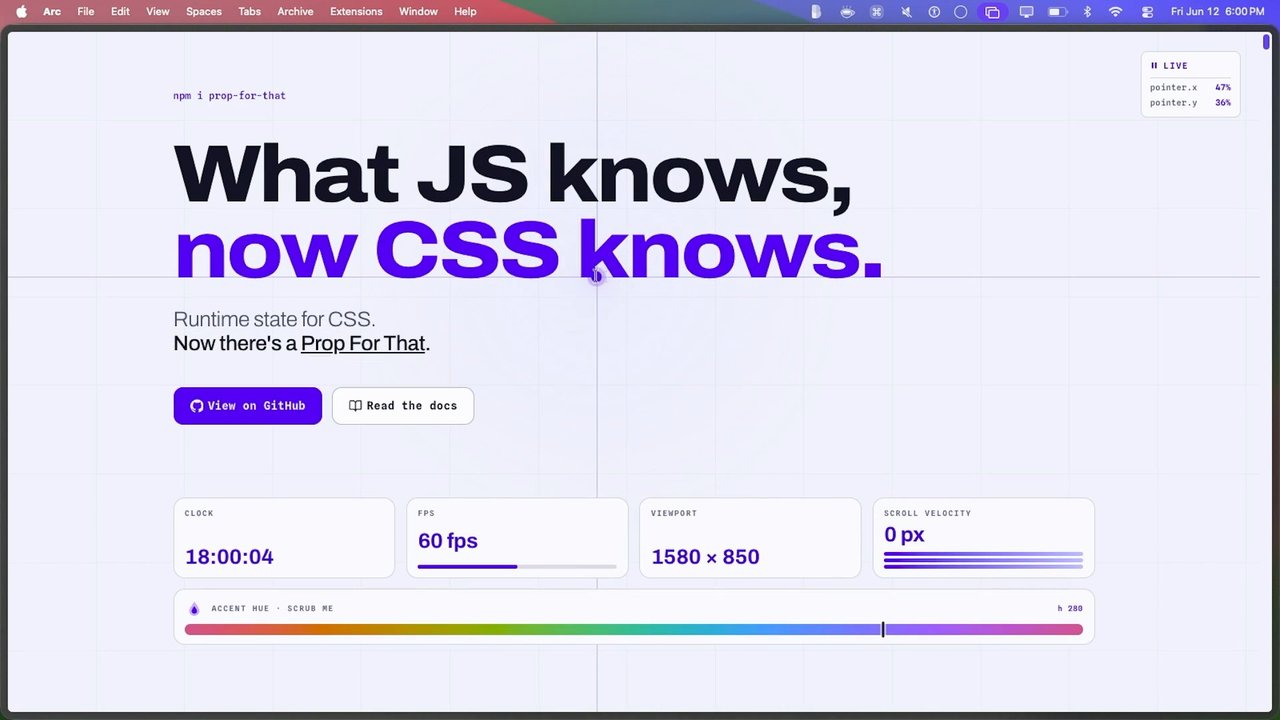
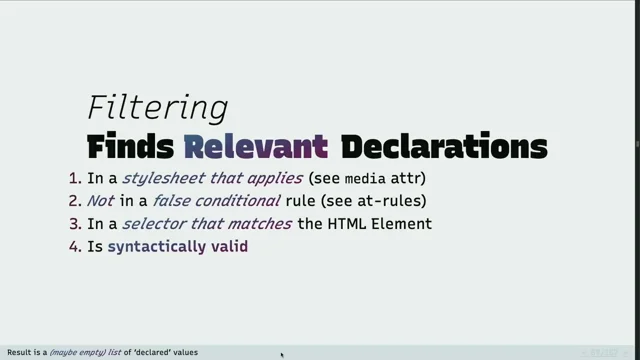
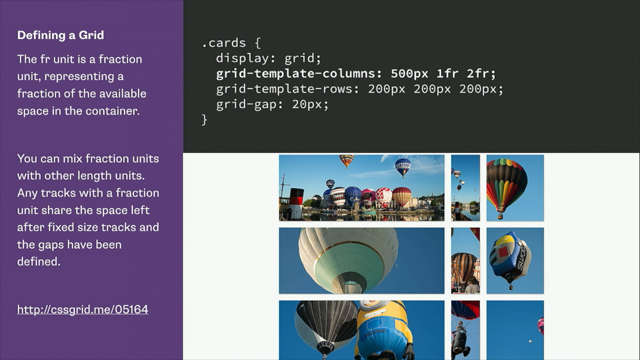
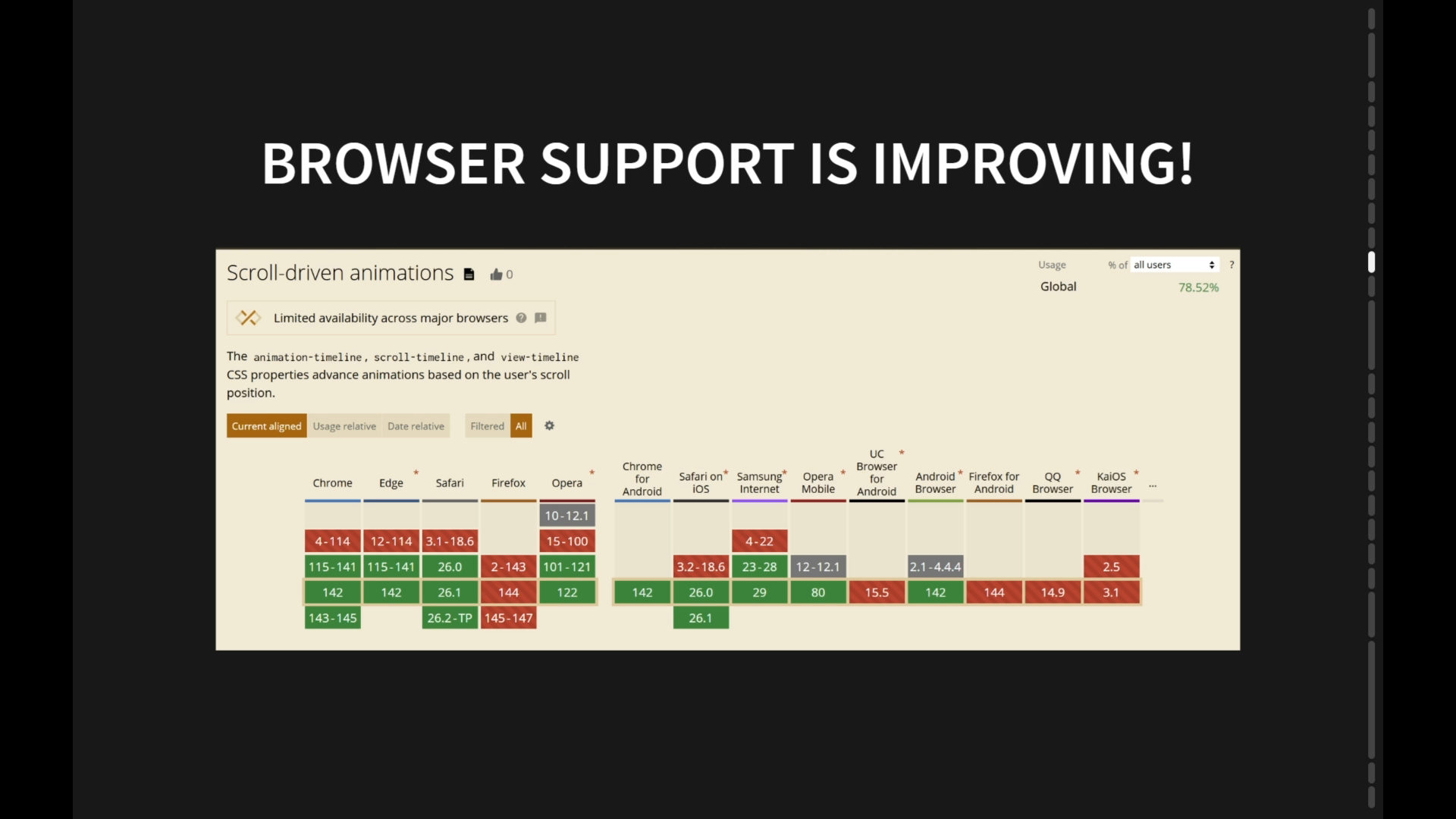
With modern frameworks, component libraries, and utility-first CSS, it’s a fair question. Most frontend developers today rarely write “real” CSS. Layouts come prebuilt. Responsiveness is handled...
A new paper co-authored by Frank Nagle, a research scientist at the MIT Initiative on the Digital Economy, found that users largely opt for closed, proprietary AI inference models, namely those from O...
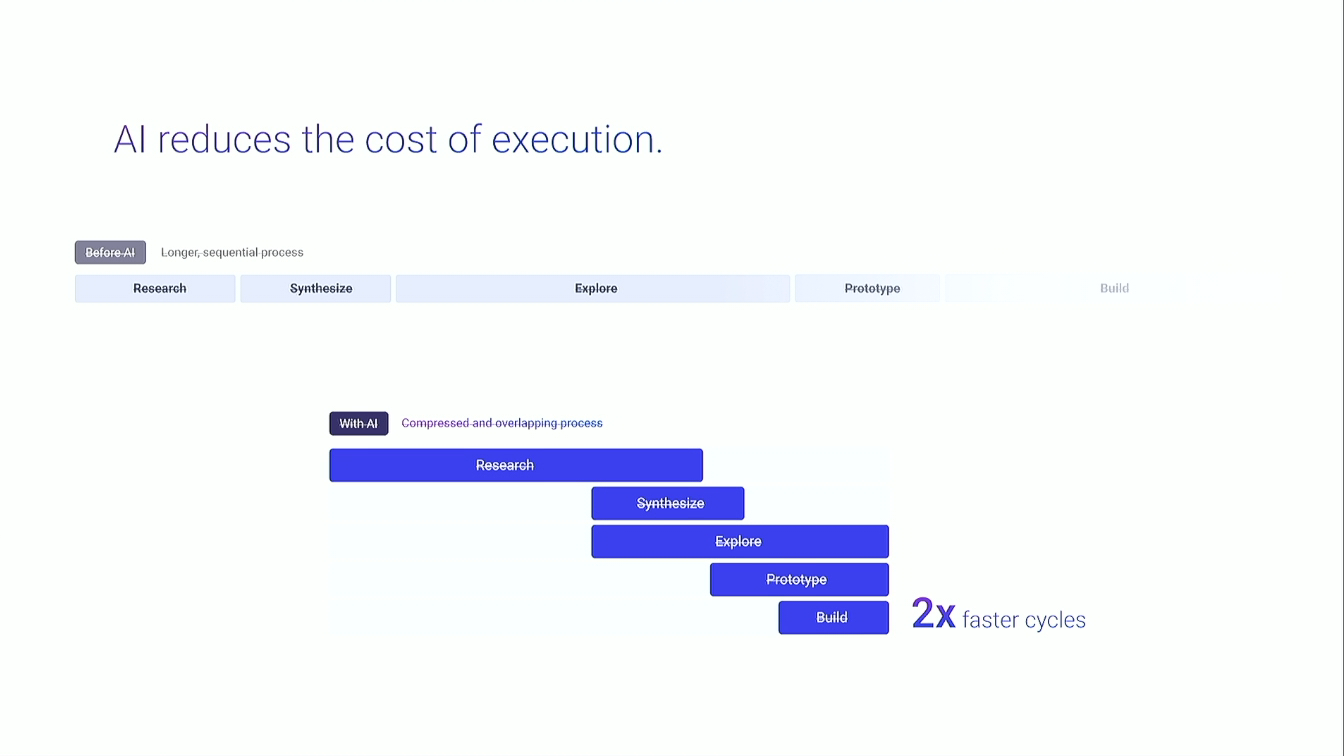
In Jenny Wen’s talk at Hatch Conference in 2025, “Don’t Trust the Process,” she raises an important point: the processes we’ve established are rapidly becoming lagging indicators. Process is...
One Human + One Agent = One Browser From Scratch (via) embedding-shapes was so infuriated by the hype around Cursor’s FastRender browser project – thousands of parallel agents producing ~1...