The Coherence Premium
February 3, 2026

In 1937, the British economist Ronald Coase asked a question that seems almost embarrassingly simple: why do firms exist at all? If markets are so efficient at allocating resources, why don’t we just have billions of individuals contracting with each other for every task? Why do we need these hulking organizational structures called companies?
His answer, which eventually won him a Nobel Prize, was transaction costs. It’s expensive to negotiate contracts and coordinate with strangers, to monitor performance and enforce agreements. Firms exist because sometimes it’s cheaper to bring activities inside an organization than to contract for them on the open market. The boundary of the firm, Coase argued, sits wherever the cost of internal coordination equals the cost of external transaction.
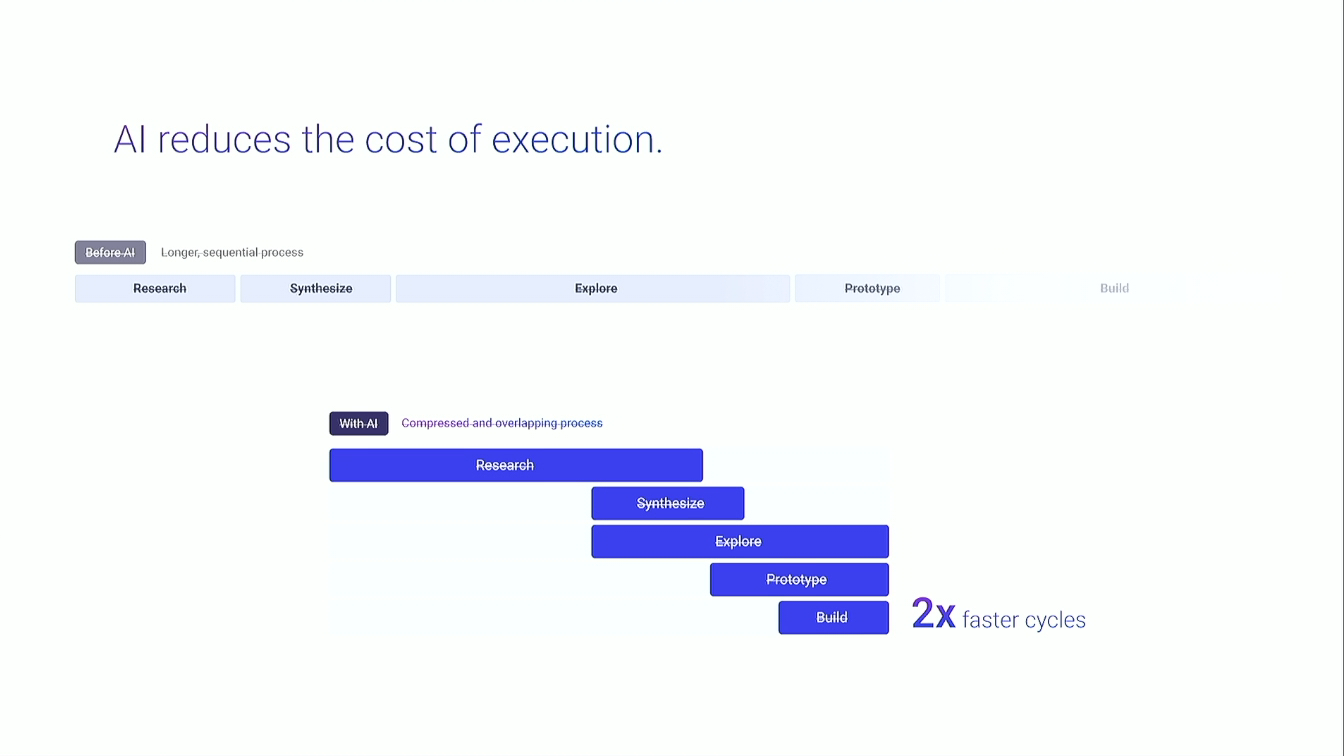
We’re in a Coasean inversion. The economics that made large firms necessary are reversing. But most people are looking at this transformation through the wrong lens. They see AI as a productivity tool, a way to do more faster. They measure success in hours saved or output multiplied, and this misses the point entirely.
I’ve been thinking a lot about exactly this, without putting it in nearly as good a framing as J.A. does here. Computing since 1980 has largely done one of two things:
1. It’s made large existing enterprises and organisations more productive
2. More recently it’s opened up new kinds of consumer products like social networks and streaming
What J.A. argues here and what I’ve been thinking quite a bit about is what happens to large organisations when in order to take advantage of the promise of AI, they need to transform their own structure. Large organisations treat change as a virus, they have antibodies against it. So when we see these studies from the likes of MIT about how some huge percentage of all AI projects have no ROI, perhaps that’s right. But it’s telling us something about the capability of large organisations to benefit from adopting AI.
Related Speakers