Frenemies–the death of the triad and the rise of the blob
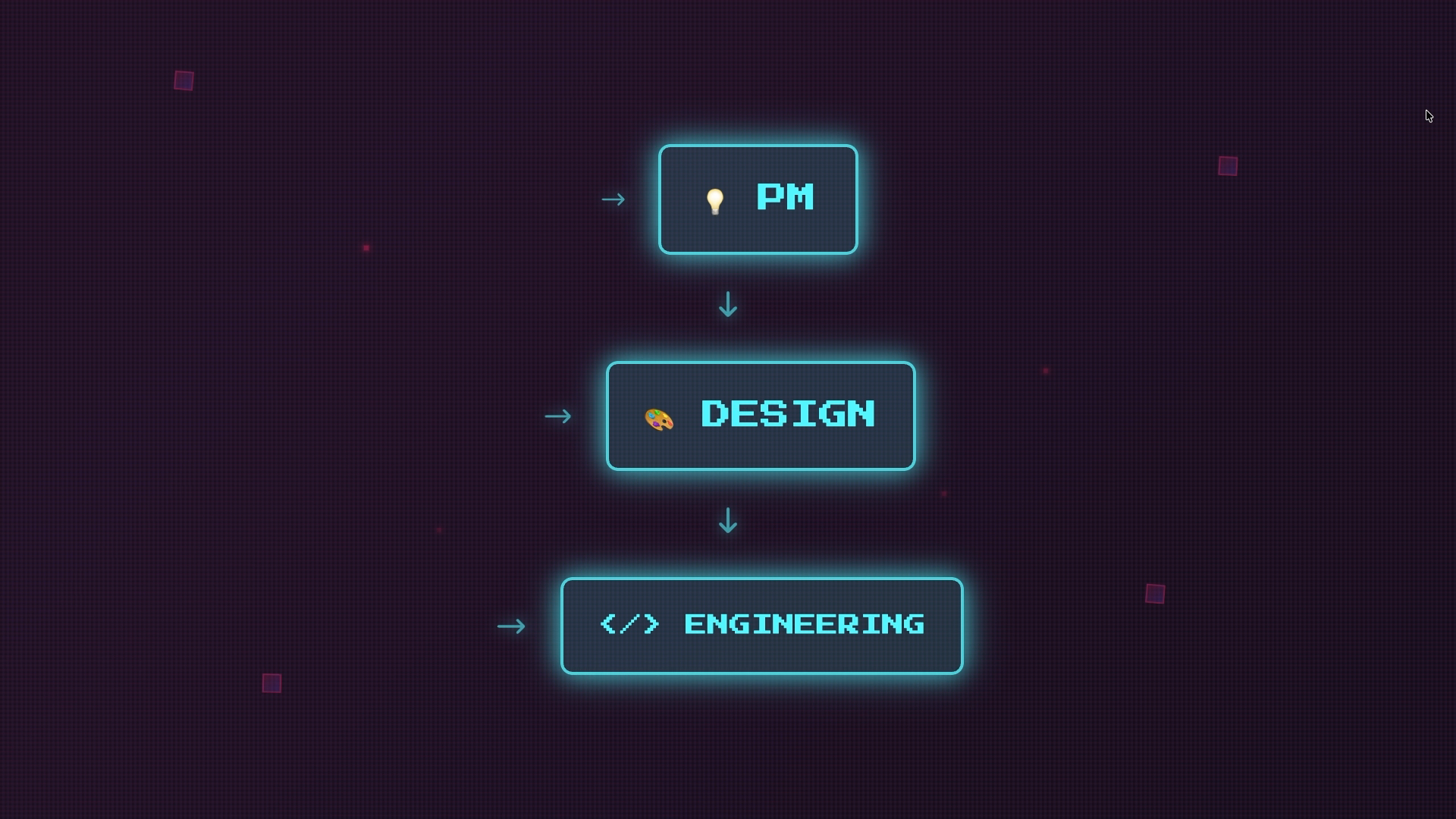
When the Product Triad Blocks Ambition
Oliver Ree questions the Product–Design–Code triad when sequential handoffs create blockers and waiting. Ambitious products require teams to challenge the limitations embedded in their own ways of working.
A System Across Brand, Content and Product
A wide-ranging identity and product system shows brand, editorial, campaigns, events and software developed as one connected experience. The work blurs disciplinary boundaries rather than treating each output as a separate handoff.
Healthcare Requires Many Disciplines
At Eucalyptus, health practitioners, researchers, nutritionists, creatives, product, design, engineering and legal overlap around shared outcomes. Design work is distributed across the organisation rather than owned by a single team.
Playing Out of Position
People move from engineering to management to design, and from writing through creative work into AI. Crossing roles lets teams fill gaps, understand neighbouring disciplines and deliver more ambitious outcomes.
Building an AI Diagnostics Journey
A diagnostics project connects clinical rules, reports, models and personalisation to patient and practitioner experiences. The case study shows several specialties converging on one outcome rather than following a fixed triad.
Challenge Tradition
Ree closes with a compact set of principles: challenge convention, question how things are done, rethink roles, play out of position, be ambitious and enable others to be ambitious.
Hands up if there's any PMs in the room.
Alright. Engineers?
Just kidding. Engineers? Nope. No. Couple
of Okay.
Designers. Slay. Awesome, guys. So, yeah, we're all dead. Okay. I wanna start with the I guess, like, what I think is a pretty familiar story probably for a lot of us. Starts off with a very big compelling vision. Maybe you're a founder, you're a CEO, pulled you all together to an all hands. He's like or they're like, guys, we're going this way. We're gonna go from a to b.
They're doing all the work with the storytelling. Everyone's on board. You know, after all, like, storytelling is how you convince people to do anything. So everyone's on board. Right? We've got this great vision. We're going we know where we're going. And then we start to execute, and we break off into our sort of safe homes. We've got our product people doing product.
We have our design people potentially waiting for product to be done, and then we've got engineers who've potentially gone, you know, that's not gonna be on my plate for eight weeks or more. I think this problem kinda starts immediately here in that we're all kind of playing into our safe zones. We're already thinking about, like, you know, where our role is, and I think that's quite quite limiting.
Soon as the project starts I have a cough. Sorry. As soon as the project starts, PMs might get immediately blocked. You know, they're gonna go find the requirements, gotta go talk to legal, they gotta go gather some stuff together, slows down everybody else. Right? Design is probably like just chilling then eventually comes to them. Oh, now they're blocking everybody else.
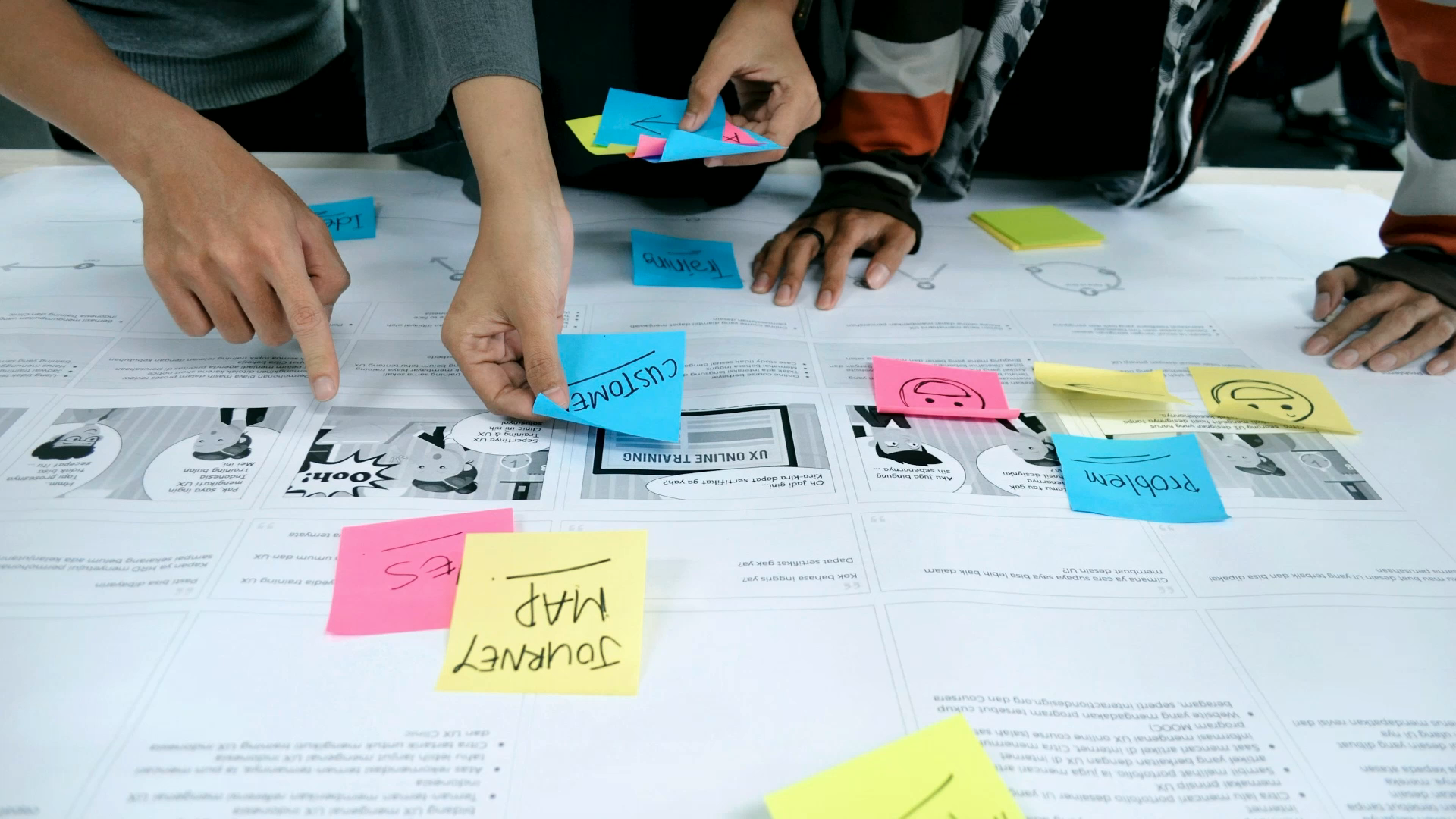
Design has to go oh, the PMs are giving me oh, thank you. PMs are giving me the are giving me this vision that I don't completely agree with. I wanna go do my own vision. I wanna go do my own research. I wanna build some personas. I wanna go get the double diamond out. I wanna go do some post it learning.
You know, we go through this process again because we're trying to figure out it for ourselves and what that vision means for us. And then eventually, it gets down to engineers, and they're probably so far down the line at some points that they're looking backwards going like, well, like, we have no time left. We're gonna cut some stuff out.
But they don't really know, like, why they're cutting stuff out, like, why it was there in the first place and, you know, so it's kind of a pretty inefficient, I think, linear workflow sometimes. I know we have agile and stuff, but, like, you know, that's hard too. I think, like, as these different roles kinda start to, you know, do their bits, like, they're all just wasting time.
Like, we waste a crazy amount of time trying to do product and ship product. And probably the worst part of what happens when time is wasted is your stakeholders, your leadership team, they start to lose confidence. They last start to get impatient, and then they start to meddle. And then, you know what? Suddenly, we're cutting scope even further or things are changing.
Let me kinda go from there. And I suppose this is probably, like, the best articulation of it. It's like the big vision that everyone started off with, as it kinda moves through these pieces, it just kinda gets a bit smaller each time, a little bit less interesting, a little bit less what we all kinda hoped we're gonna ship in the end.
Right? Does that kinda resonate? Am I kinda? Alright. Sweet. Would have been a bad one, otherwise. Because we all wanna ship ambitious winning products, I believe anyway. But I think that actually maybe the ways in which we work, you know, maybe those things are working against us. And maybe to go a layer deeper, maybe the boundaries of the roles that we like to protect are really actually the things that are limiting our full potential, or at least that's how we're thinking about stuff at Eucalyptus at the moment.
So, yeah, we work at Eucalyptus. It's a health care company for those that don't know us. We have five brands. Those five brands are now in five markets around the world. And I suppose Thomas and I, especially, kind of like Thomas used to manage, you know, engineering teams. I manage the whole design function at Duke. And I think we just kind of been really wondering, like, you know, how do we, like, make this better?
How do we increase our chances of winning, you know, and doing something great? So we started looking around, like, what happens when you start to ask these questions of your own limitations? How do you start to be able to do a bit more and go a bit further? Couple of really cool examples. So there's a guy I met at Config last year called Dave.
Sorry. Called Andrew. He works at an agency. He's actually the co owner of an agency. This is a very time poor individual. He owns an agency called Dave Clark. Dave just randomly wanted to learn if he could design a car, like, as you do. Like, that's just, insane. Right? Like, who would have thought, like, I could just learn how to make a car?
So Dave basically learned how to do this. He started, like, experimenting with AI, I think, like, you know, figuring out, like, how do I prompt? How do I kinda get these designs in there? How do I shape the pieces of it? What and he's, like, learning kinda by doing these things. He got so good at this. Polestar asked him to come and teach them how to design cars, which is insane and so cool.
Right? Like, it's like the limit of what you can do with these things if you start applying yourself and start believing in yourself, the ambition raising factors here are quite unbelievable. Another couple of cool examples. So, like, know, I used to work in brand. Branding is having, like it's just so interesting. I would have thought that brand designers would have been the most, you know, we're staying in Adobe.
We're gonna do it this way, that we can't be sort of, you know, replaced or anything like that. Like, no one's being replaced, but what's fascinating is that, like, these tools and these new ways of working, like, are kinda giving them, like, the ability to go actually broader in their exploration. And then if they find something that they find is interesting, it allows them to actually go a lot deeper and actually explore things that, you know, naturally, we might have actually descoped ourselves.
You know, I kinda have this belief that designers have gotten really good at having the ambition beaten out of them, like, just over the years. Like, we kinda started, like, thinking our job is the process, not, like, to raise ambition. Whereas, like, I think, like, this kind of stuff is kinda bringing you back. Right? Also, like, these brands, they were designed in ten days, which is nuts.
Like, there's, like, prime there's a brand called a company called Primary, another company called Little Plains, like and, like, they're doing stuff like these beautiful illustrations and, like, exploring these, like, complicated design systems that you would otherwise have thought are too hard, and they're putting that back on the table, and they're doing some great stuff. And then lastly, this is some stuff that we've been kind of playing around with as well, but inspired by the agency Little Plains.
This is effectively a bunch of nodes that do an entire design market research in five seconds. And we can run this for, like we can enter a prompt at the front end being like, this is the brand we care about, run it through this entire market analysis, put it through these, you know, make it more conversational, give me some opportunity areas, give me a customer journey.
Like, we can run this whole thing thousands of times. So, you know, this is something that probably would normally have taken, you know, a company like ours, like, quite a long time to kind of build up this information and do this research. And, obviously, you still read the research, but it's a great way to start, and you can get so much further.
I think the things that are quite interesting about these companies and what they're doing, and I think these are sort of some of the principles that we've been kind of trying to figure out, they challenge tradition, they question these old constraints, They blur the boundaries of their own roles. They try really hard things, and they see how far they can go, like building cars.
Right? And most importantly, I think that they find ways to then bring other people in and help enable them as well. So, yeah, like we said, like, at Eucalyptus, that's very much how we think. I'll probably just give you a bit more on a bit more of a breakdown here, but Eucalyptus is, like I said, the health care company design is, like, a big differentiator for us.
But and also back going back to the big ambitious goal. We have a big ambitious goal. It's to make good health, like, last a lifetime. It's not about just lifespan. It's also about increasing people's health spans as well. Finally, I guess, I'd to kind of draw some parallels between the ways of working in the triad and, like, health care.
Like, doing things is hard in health care. We have you know, traditionally, health care has been a place where information is quite gate kept. Those boundaries that people like, like, you know, doctors, for instance, like right? Like, for a very long time, like, the the way that information is created around medical terms is very much done to sort of keep people out of that space, not bring people into it, to be able to collaborate and sort of push it forward.
I think it's actually had quite a bad negative impact on how far we've now progressed in health care up until recently. So, yeah, at Duke, probably one of the first things that we did as a company, not me. I wasn't I'm not an owner, but our founders, they basically had this idea and they pulled together people who don't normally get to collaborate. So we get to work with health care practitioners and nutritionists.
We get to talk to, obviously, legal who are really fun, design, product, engineering, p x, like, we call it patient experience, but we have customer support. And so we brought these people together to sort of actually collaborate on problems that they wouldn't normally get to. So I think there's something that but, like, I guess, I am going a bit further nowadays.
Right? Like, it's not just about having all the people in the same room. It's about how do we blur these boundaries between those roles, how do we allow for, you know, products and health practitioners to start to interoperate a bit more together. And maybe there's, like, some some areas in between where, like, you can sort of start to interact and, you know, share responsibility, which is kind of, you know, amazing.
We've got creatives working with nutritionists, engineers working with patient experience to sort of understand the patient problems better. So, yeah, I think you can all kinda get where I'm going with that. It basically allows our teams and I think sorry. One more thing. Like, this is sort of done intentionally, like, in a way, like, where, you know, people will have, like it's not just about them having having them use AI in their tools, but also, like, almost, like, act a little bit more identically, I suppose, as people. Like, an AI agent, for instance, doesn't have a concept of boundaries really. It doesn't wait for permission.
It doesn't ask. It just kinda goes, like, where's the problem that you want me to fix? And then goes and sort of does it. So And we're kinda trying to bake this into our ways of working. Right? We want people to be a bit more authentic and, you know, almost create a place where it's quite normal to not ask for permission. And it's also quite normal to not expect your role to just stay the same and sort of be more fluid and evolve as like the as like, you know, and go where it's important. Some data on this.
I pulled this from Figma, but, you know, obviously, this is happening in other places. More people are starting to is the photo being taken? More people are starting to do more things in design. 64% of people that they interviewed in the survey identified as having two roles. In fact, a third, I think, of people they responded have three roles. Now this is gonna be a really bad segue, but this is basically where I hand over to Thomas, a person who has three roles.
Hello, everyone. So, yeah, as Orey mentioned, I started my career as an engineer. I have a very traditional path. I studied computer science. I did a lot of iPhone apps. I moved to The US. I moved to I mean, I come from Paris. Sorry. And then I moved back to Australia. But along the way, very classic classic traditional path, moved to even like a leadership position.
But, like, really recently, like, maybe three months ago, I moved back to an icy role. I wanted to be back to, you know, the tools, but I talked to Ollie, and I'm like, hey. Do you have a design job for me? The reason why like, why do I switch back, you know, from all those different jobs is because, like, I actually wanted to go back to doing the thing, like, rather than talking about doing the thing.
There's so much things happening today in our world. Like, I mean, we talk a lot about AI and all all these kind of things. We have that huge wave of innovation that is happening just now. And I just want to be right where where it happens, like, right in the middle of the the action. I don't just want to be, like, talking about work.
I've been inspired also by other ideas. The next slide is gonna be a bit surprising, but, like, I've been very inspired by one of my hobby, football. So it's a bit weird, like, why are we seeing even a football pitch on these slides? But the idea of playing completely out of position, like, to play where you're not expected to be, to go where the action is, I think that's really, like, philosophy that I like to to think about. The one of the team that I support the most is for, obviously, Paris. The surprising I mean, the funny story about them is, like, they used to have probably best talent.
They have Messi and Mbappe and Neymar. I don't know if anyone here is a fan of football, but, basically, they are they have the best offensive line. But that team never won what they were looking for. They never won the champions league. They only won last June by after all those three players left. They only won when maybe on paper, the team was maybe less talented, but that team knew how to play together.
Like, the manager knew how to make, you know, people go outside of their position to kind of read the room, read what needs to be done, and just go there. Like, that idea of playing not in your position, in your line, but playing in relations to what's happening in the field or in relation to what other players are doing is very interesting.
Going back to work. I think I mean, as a manager, also, my job was to just enable others As I move move to an IC role as a a design engineer, I also see this as being able to enable others. I understand the engineering side of things. I can sit with designers, we can organize workshops.
We can give them access to the tools. We can, you know, just let them, like, lower the barriers. Like, let them, you know, have access to what is so unique in engineering. We just want them to be, you know, close to the source of truth. We want them to be like, designers, you are all very creative. We just want them to kind of play with what we used to have all the time.
Well, this is an example of cursor. I think as we were doing this talk, Orey got distracted a little bit. We went into the code base, and you can even prompt things that are pretty interesting. I mean, that's one just one example, but you can ask your own code base. Like, hey. Can you just tell me what's the based on what you know about the code base, what's the most important, like, user flow that we have there? You can go through Notion.
You can go through all the documentation, but the real source of truth is here. And, like, the answer was pretty interesting to see, and that's just one example. We also have other example of people changing role. We have Mon in our team. Mon, she studied as a writer, like, in the she used to be a magazine writer, then she moved to Yuke.
She's in house, creative, part of the growth team. And I think now, I mean, it's pretty hard for me to say what exactly her title is, but she's getting closer to the AI space. She helped us a lot in in June to get one of our AI I mean, one of our first major AI feature out in our mobile app for our patients.
She helped us defining, setting the tone, the persona, the personality of our our AI assistant. And while she was doing that, she was still getting like many, many requests because she used to be like a writer. She used to help us, you know, writing very, like, impactful messaging.
But she then decided to build a tool, like, to build a tool to help others to do the job that she used to do with all her, like, knowledge. She basically replaced herself if we think about it, and that's fine. Like, I think she was not really scared about that. I mean, we should probably ask her. But that's what allowed her to go, you know, to try to find where she can add value elsewhere.
Alright. So what's the next big ambitious thing for us, for me, for Odie at Duke? We have this, very massive project called diagnostics. I mean, that's one just one of the first step that we have around, you know, like, long term, long term health. The idea is to I think everyone here has done a blood test. The idea is to kind of do a blood test, get that data from our patients, but being able to kind of deliver something that is meaningful to them so that they can understand the result of their blood test and then they can take the right set of actions, towards their health.
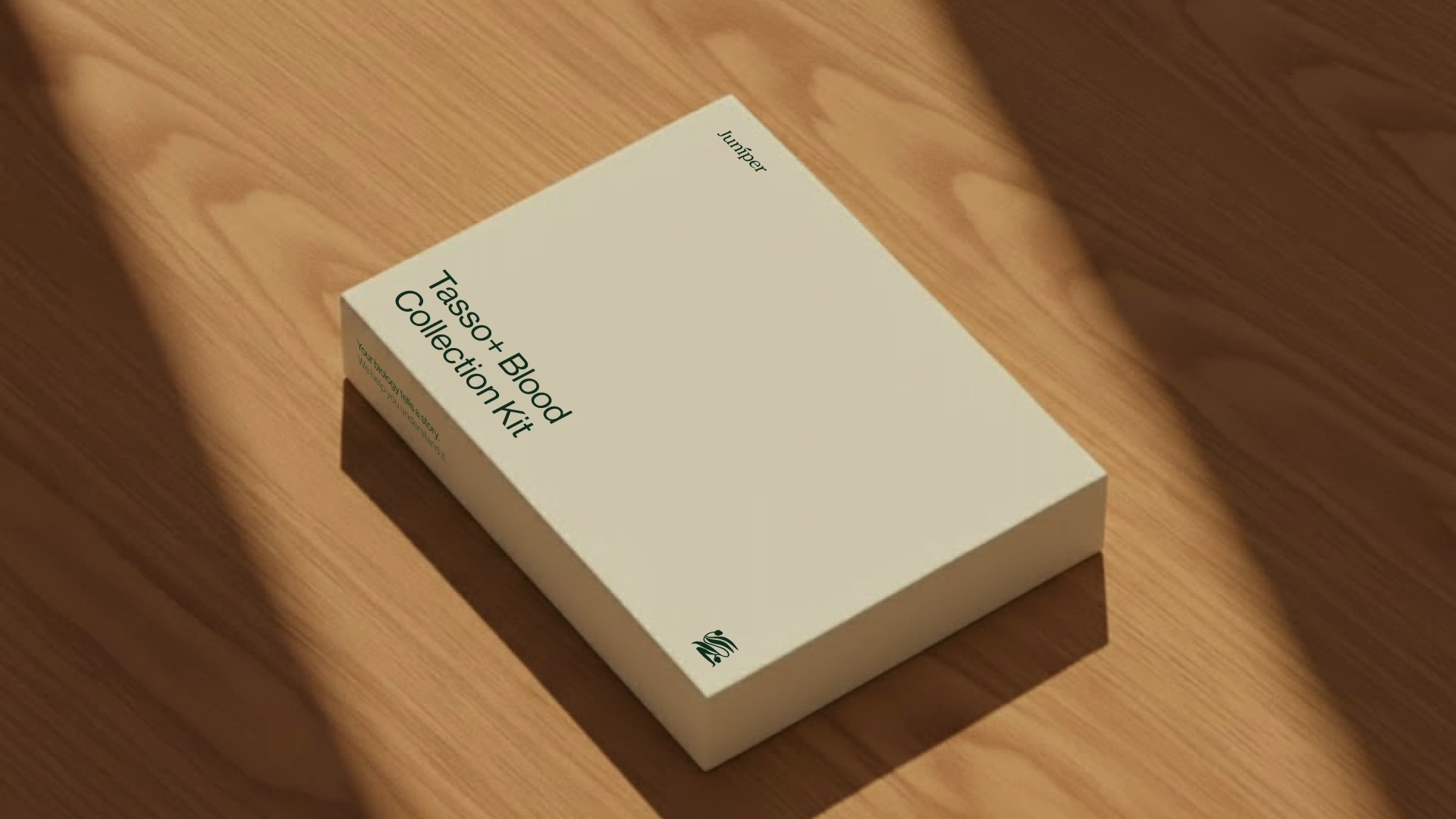
So we send we partner with, we we have a partner. We send them we send blood kit collections blood collection kits to our patients' home. They can do the collection of the blood, and then we get the result packs. That's not really what I'm gonna focus about because this is probably, like, the very traditional way of, how we build things.
The first thing that was pretty different for us was working with AI, working with data science, with ML. Like, we had a new person joining our team, Darren. So how do we the question was, like, how do we transform the blood test result that we have into something that is, well, readable and understandable for our patients.
Right? Like, we're all humans, and we want to be able to understand what it means. We that was, like, pretty hard work, but the result of this output is, let's say, the left. It's on the left. It's this blob of work. And we wanted to basically help each other to understand what does it mean. What I'm trying to say is we need to also build tools to kind of help each other to understand, like, all of our skills and all our strength within our functions.
Like, that's one example where imagine on the left side, there is the data science part of things that take the blood results, use our medical knowledge, our in house medical knowledge to generate a blob of information. That blob of information is, well, AI generated. We want to be able to visualize how it's gonna be expressed to the patient at the end.
And the one other interesting part here is Mon had to help us to give like, to tune and to find the right tone of voice into how we're gonna prompt to get the result of this blood test in, like, where the patient is, like, in a very empathetic empathetic way.
It's very sensitive information. And, like, she could have done the traditional way, like, ask like, hey. This is the kind of rule, the guidelines, but she just decided to go directly in on the tools. Like, we just gave her access to the inference layer code base. She was able to kind of generate, change of prompts, get the output, drop drag and drop into the prototype so that she can see exactly what the patient is gonna see at the end.
And that took, you know, like, thirty minutes, an hour to generate this, like, very quick prototype. At the end of the day, I mean, talking about ethics just before, like, it's very important that we still have a human in the loop. Like, those reports are not just going, you know, straight to the patient. We do have, you know, our clinicians that is going to review the report that has been generated and crafted.
And, like, yeah, there's some human in the loop to to to check this. This is an example of the report itself as the patient sees. We really, like, dialed up a lot on the doctor letter because, like, that's actually what the patient loved the most, like, to kind of have the delivery of the message of, like, hey.
How's my health? Like, what are the main insights that I should know? Like, there's we went through, like, many iterations of the design, and then we decided to put that back just in front. We could have done this project, like, in a very traditional way. Odie introduced us with, you know, all the different circles. We blurred the rules of like, our roles and responsibility within this project so that we minimize the number of handovers.
Like, I don't think I I got the PRD. If I did, I didn't read it. I'm sorry, Nicole. I don't think we went through, like, thirty, sixty, 90 design process. I didn't wait for design to tell me, hey. Go. It's ready. Like, we can start. We didn't do bug bash. We didn't do Jira tickets. We just didn't wait.
Like, the idea was, like, don't wait. Start. We don't wait for what's possible. We try to kind of create that collaborate idea of what's possible, and we build as we shape. But that requires us to change mindsets. It's, you know, like, is hard, change is sometimes a bit annoying.
But we should think about change as that means like something new happened, like we learned something. So we are getting closer to the right answer. We're getting closer to, you know, shipping the right product to our patients. And if I think we've one of the belief that I have is, like, if you wait for a solution to be well crafted, fully designed, you're just too late.
Like, you're too far from the actions. You're too far from you know, you you get a translation of that understanding to yourself. Another thing is we didn't build it the right way. As an engineer, that sounds very bad, and probably my engineering peers is gonna, like, scream at me. But we just you know, like, some examples, like, we build it on web. We just embedded this as a WebView.
We didn't have any database. We didn't have relationships model. Like, we didn't want to kind of talk about those things because, like, those things are, like, constraining ourself for iterations. Like and all those, like, little gains that you might have, that you might get, like, compounds over time. The main question that you should ask yourself, I think, is within this week, how much can we learn?
Like, how many, you know, reports or version of the prototype can you, like, put in front of your patients? So speed to learn is key. And putting, like it's not you know, like, it's okay to not build it the right way. We know how to build it the right way. We just have to wait until we know that we have a version of like, we know what's in the right way, and that we know that what's going to be satisfied by the patients.
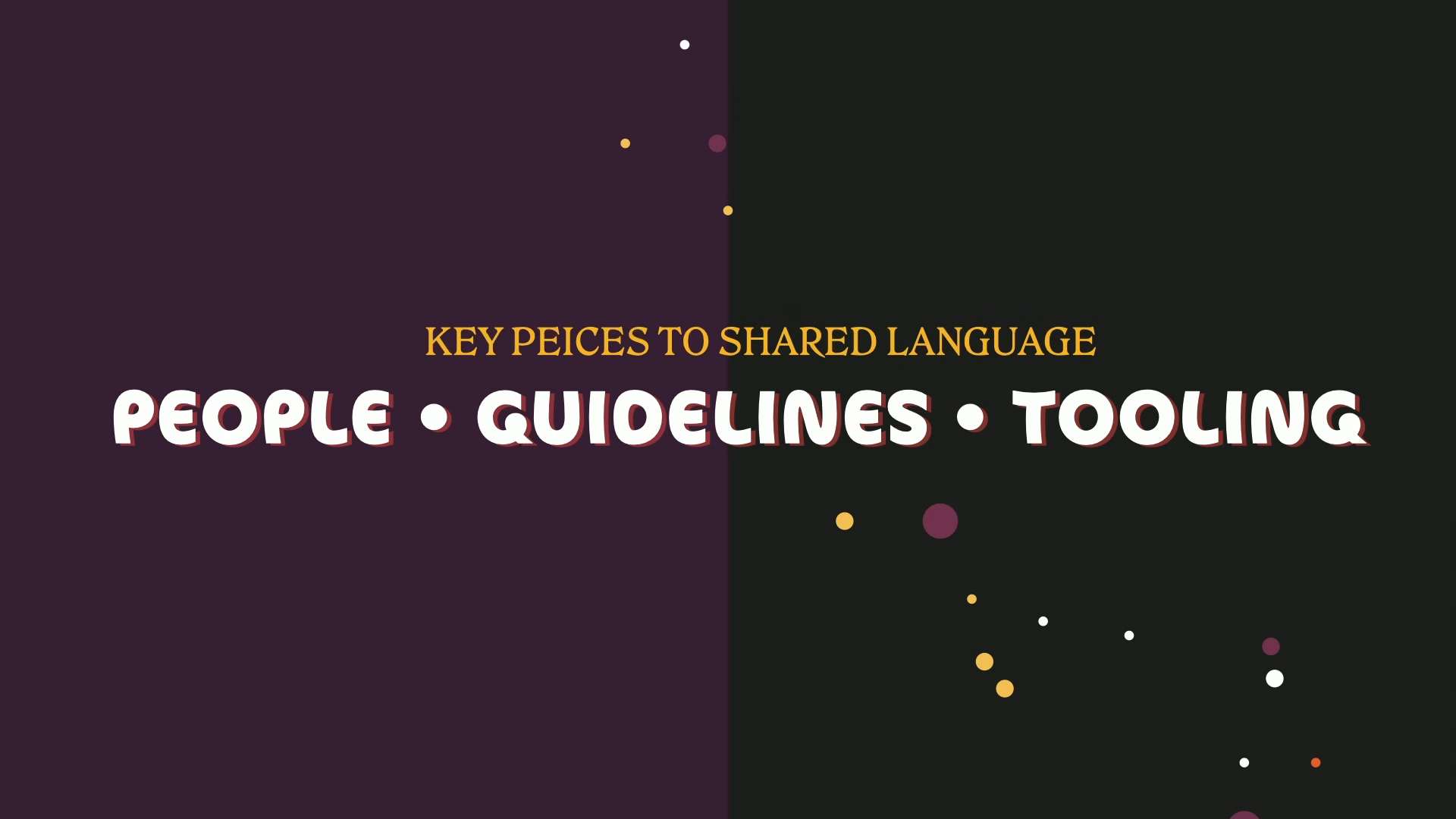
So where I'm going with that? Fluidity of roles, being first, like, outcome first. Think about, like, what can you do, not because of your title, but really because of, like, what can you do based on where your teammates are and where they are. You might need to, you know, help them, like, building tools so that they can go faster.
You might have to, you know, do those translation tools so that we just show, we don't tell. Yeah.
Thank you, Thomas. Give it up for Thomas. Nice. One more thing. Actually, I wanna go back and say one thing. I think, like, just going back to that that doctor's letter, like, you know, we had patients who told us because, like, they got this letter, it felt so empathetic and so human.
Like, we had this I I mean, we the fact that we had Mon working with Thomas, working with our data scientists to try and really emphasize and craft that really lovely tone. We spoke to patients and, like, we can't test this kind of thing unless you're testing with real data. So we actually have to, like, in the development of this, were sending blood tests in and out, like, trying to test with patients because, like, fake data just doesn't people just go, yeah.
Yeah. It looks good. But people who are reading this were like, this is so motivating and so kind. And, actually, part of the project that we haven't shown here is that one of the outputs of this project is to actually give people, like, next steps. Like, what can you actually do to help improve your health? And every patient we've spoken to is actually highly motivated to go and do these things.
For some people, like, it was the right also met them where they were because we ask all these questions and trying to work out, like, what are their limitations. So it felt like still proactive and they could go and do something, but it wasn't, you know, like effectively, like, written content is just, a one size fits all thing.
Like, it can never be personalized enough, but content can't meet everybody where they are. And when you're dealing with people's health, you need to build these systems and these ways of thinking, you know, to actually meet people on their journey and, you know, to make it actually personalized, I suppose. Anyway, so, yeah, obviously, we are still experimenting.
We're still learning. But I suppose the sort of interesting things that we want you all to take away when you go back to your jobs, think about, like, what traditions you are operating in and where can you challenge. Question the things that you think are really true, you know, like, and believe that are done the right way or the normal way because I think there's a lot of leverage to be gained by really questioning those things.
My friends at Figma, I was kind of ranting at them once about design systems and wasn't sure if they were, like, bullshit or not, but I've changed my mind on that. But I asked the question. That's the important thing. Rethink your role. You know, question your roles and your boundaries. You know, do they even make sense? Like, are you operating in a in a bubble that it doesn't really need to be there?
Be like Thomas. If you can't change your, like, roles, like, try and at least move and be out of position, play out of position a bit more, but no one expects you to be. And, you know, I guess I'm gonna reiterate this, but, like, be ambitious. I think it's been beaten out of a lot of creative people, a lot of designers.
If you're hiring juniors, please hire juniors. But also don't put them on EDMs. Don't put them on banner ads. That's not how you learn anymore. That's so antiquated thinking, and you don't wanna be the person that beats out the ambition from the the next generation of designer. And, lastly, if you're ambitious, you can also enable other people to be ambitious. You know, imagine if the PM, the engineer imagine if nobody was trying to descope things.
They just wanted to lean in more. They're closer to the vision. They also could see the tools. They're empowered. Like, I think it just increases everybody's successful chances of being successful in winning. And if you can't beat them, come join us. Thank you. With a 100 rolls open. Thank you.
Technologies & Tools
- AI health coach
- diagnostics engine
- personalisation engine
Concepts & Methods
- product triad
- design handoff
- cross-functional teams
- design engineering
- outcome-oriented design
Organisations & Products
- Solidroad
- Eucalyptus