Co-pilot, not auto-pilot
From AI Skeptic to Overreliant User
Dave Berner introduces his work at Kind and explains how his attitude toward AI swung from cautious adoption to enthusiastic dependence and back again. He notices that short, context-poor prompts and unquestioned answers have made him intellectually lazy, while AI’s confidence can conceal unreliable output.
A Compiler Failure and the Cognitive Cost of AI
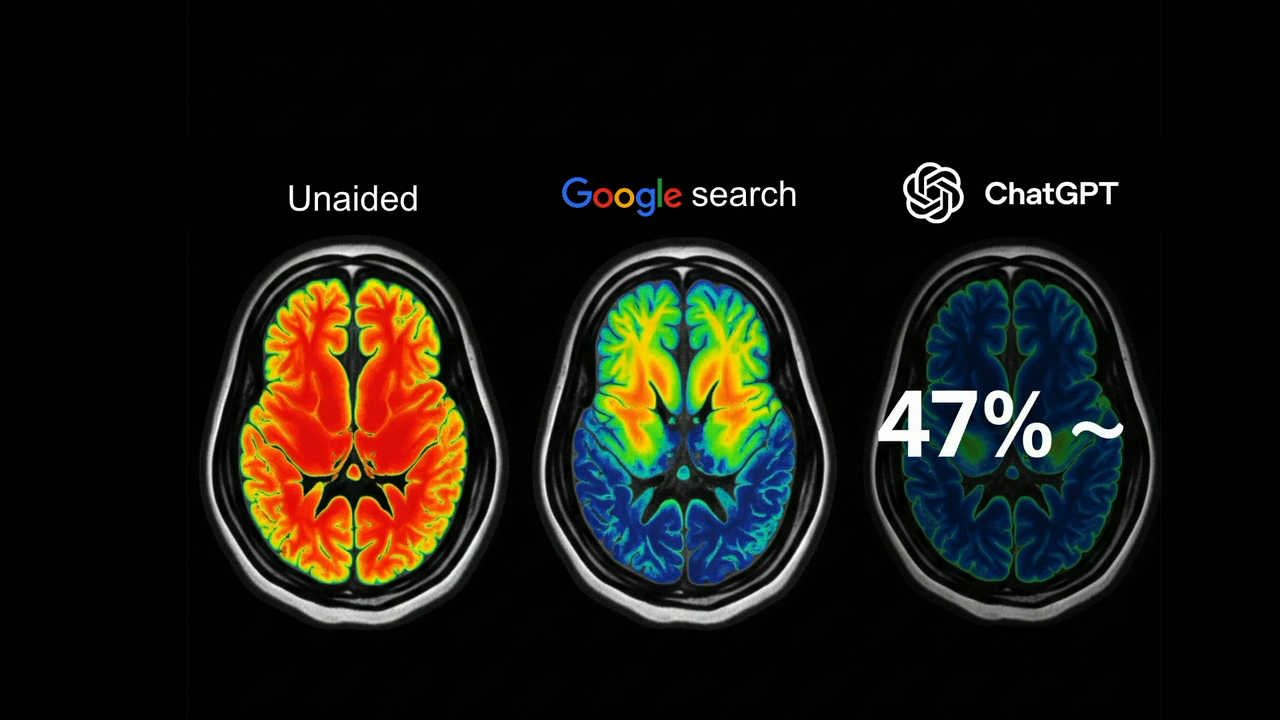
After an AI assistant repeatedly claims to have fixed a compiler problem, Berner abandons two hours of failed automation and solves it himself in minutes. He connects that experience to an MIT and Harvard study suggesting that ChatGPT-assisted writing produces less brain activity, weaker recall, and lingering difficulty with unaided work.
Convenience, Human Trade-offs, and More Code
Berner argues that AI is commercially entrenched and too convenient to discard, but its use still demands deliberate trade-offs. He considers AI companionship, technical debt, faster code generation, expanding review queues, and the questionable value of letting AI review its own output.
Developmental Risks and Autopilot Warning Signs
Berner raises concerns about children using AI before developing independent cognitive skills, as well as an innovation monoculture shaped by uniform machine-generated ideas. He identifies personal warning signs of dependence: anxiety without an assistant, prompting before thinking, forgotten syntax, excessive code, and tasks that suddenly feel impossible without AI.
Exercise the Mind and Make AI a Co-pilot
Using Warren Buffett’s one-car-for-life analogy, Berner argues that people should maintain their minds as deliberately as their bodies. He contrasts active research across Google, Reddit, and Stack Overflow with blind trust in a single answer, then recommends designing, diagnosing, and threat-modelling first before asking AI to critique the work.
Critique, Hypocrisy, and Pro-thinking Engineering
Berner describes using spoken prompts, reflective questions, original writing, and AI critique to keep himself engaged in the work. After acknowledging the limits of early research and his own AI-assisted preparation, he closes by distinguishing engineers who preserve independent thought from those who surrender it to machines.
Yep. I'm Dave Berner. My voice is going a little bit. I've just recently started a podcast called More Founders Show. Check it out, follow, like, subscribe. And I decide I live up in Byron Bay and I've come down for a few days. I said, oh, while I'm here, I'll squeeze in a few episodes to do some in person ones, was a massive mistake because now as you can hear my voice is absolutely wrecked.
But I will battle through because I think this is important. I'm also the co founder of Kind, which as John said, we do authentication, billing, like we take security very seriously and are very deliberate about where we will or won't bring AI into the fold. My talk has pivoted back and forth since, you know, the the pitch to come and talk was a few months ago and AI just moves at such a wild rate that it's pretty hard to to keep on top of it.
So initially, was like, oh, I dragged my feet. I was a slow adopter. How am I gonna keep on top of this? And I wanted to kind of talk about that journey. And so at that point, was thinking it's copilot not autopilot. I want to use it as a tool, not a crutch and kind of go all in.
And then I went all in and I was like, okay, well now I'm going to switch and when I get up there, I'm just going to be like, I use AI for everything. And then since that point, I've now come back full circle again and been like, oh, maybe that's not the best idea. So I've now completely pivoted back to kind of roughly what I was originally going to talk about.
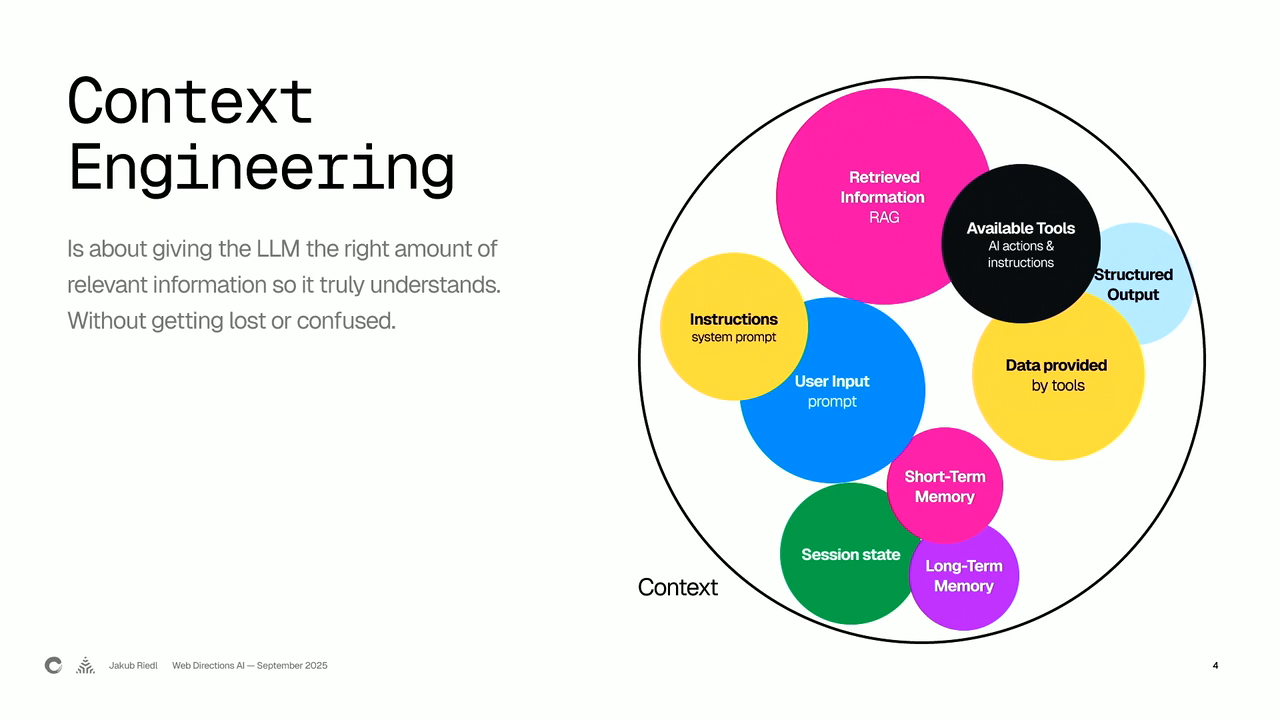
And because I've back and forth, I've had to do some cue cards because I can't keep it all in memory much like most LLMs. So what I'm up to talk to you about today is how much lazier I've got or I found myself getting as I started leaning into more AI adoption. I found myself just chucking in one sentence prompts and hoping for the best whereas I used to load it up with context and getting lazier and lazier and lazier.
I'm not necessarily sure that that is a good thing, especially because of how confident AI is in its answers and I started to stop double checking what was actually coming back. An example I like to give, I grew up singing in punk bands and metal bands and things and we had a guitarist and this guitarist was so confident and he'd be leaping around on stage, but we would just have to turn his amp right down.
When we recorded, we actually had to take strings off his guitar because his confidence level didn't actually match his ability. And sometimes I find AI can be quite a lot like that. For example, I was trying to fix this compiler issue the other day. Clean branch, checked it out, put a prompt in, so can you fix this thing up?
Yep. Everything's working. It's definitely not because I just ran the build and it's still not working. Oh, these were issues that were there before. No. This is a clean branch. It's definitely not. Okay. Yeah. No worries. Goes off, fixes, it comes back. It's definitely fixed now. Go off, run the build again. And I must have been there for about two hours trying to fix this thing. Complete waste of time, getting very frustrated, eventually tacked it off, fixed it myself in about five minutes.
I was like, I have gotten so lazy. This is unbelievable. I could have just sorted this. But my reliance had gone too far and it made me start to dig into a little bit like, okay, what is this actually doing to my brain? Because it even took me longer than it probably would have to fix the issue probably because I'd spent the last two hours banging my head against the brick wall.
So I started digging into it. I don't know if anyone's familiar with the Diary of a CEO podcast, but I listened to an episode the other day and it had some information about a recent study. So there was an MIT and Harvard study done recently where they took 54 students over the period of four months and had them write four essays. One group could use chat GBT, one group could use Google search and one group completely unassisted to write these these four essays over time.
And they monitored their brain activity as it was going. Now they found the unaided group is firing like crazy. They're all all going for it. Google search was slightly less and there was 47% less brain activity in the group that were using chat GPT to put the essays together, which is quite staggering. What's worse is five minutes after the essays had been written, they were then questioned about it and asked a quote.
83% of the group who had used chat GBT couldn't quote their own work a few minutes later, which is terrifying and was my same experience with with the compiler. At the end of that four months in session four, they took away the tooling and they said, okay, now you're doing this unassisted. And they actually found that there was a lagging indicator in the people that had originally used chat gbt were then struggling to actually write these essays from scratch at all, which I don't know what the long term effects are, but it made me think I probably need to be a little bit more mindful about my own use of AI. It's not going anywhere anywhere soon, right?
Like it's way too convenient. Like there's just no way that we're suddenly gonna drop it. You look at investors, they wanna back AI companies. I'll say I work for a company that enables other businesses and startups to come through. Eight out of our 10 fastest growing customers at Kind are AI businesses. Businesses. Like there's no denying it's not going anywhere.
I'm not here to say let's sack it off and stop using it. I'm saying let's just be a little bit more deliberate. So we're definitely starting to trade off convenience versus I I guess just even like real world interactions. Like to give you an example, one of those fastest eight out of 10 growing customers is a non safe for work chat where I guess you can jump on and have sexy conversations with AI chatbots. And they grew to like 10,000,010 users almost like seemingly overnight, which is unbelievable that and I guess statistically, it probably means there's users in the room, which is great.
No judgment. But I do think it's interesting that in some ways it's like, well, okay, so we're we're happy to trade off human interaction for AI interaction to maybe because the responses are quicker or it's more convenient or there's less chance of rejection or whatever it is. But I think all those actual things are good and they're healthy for you to have those experiences.
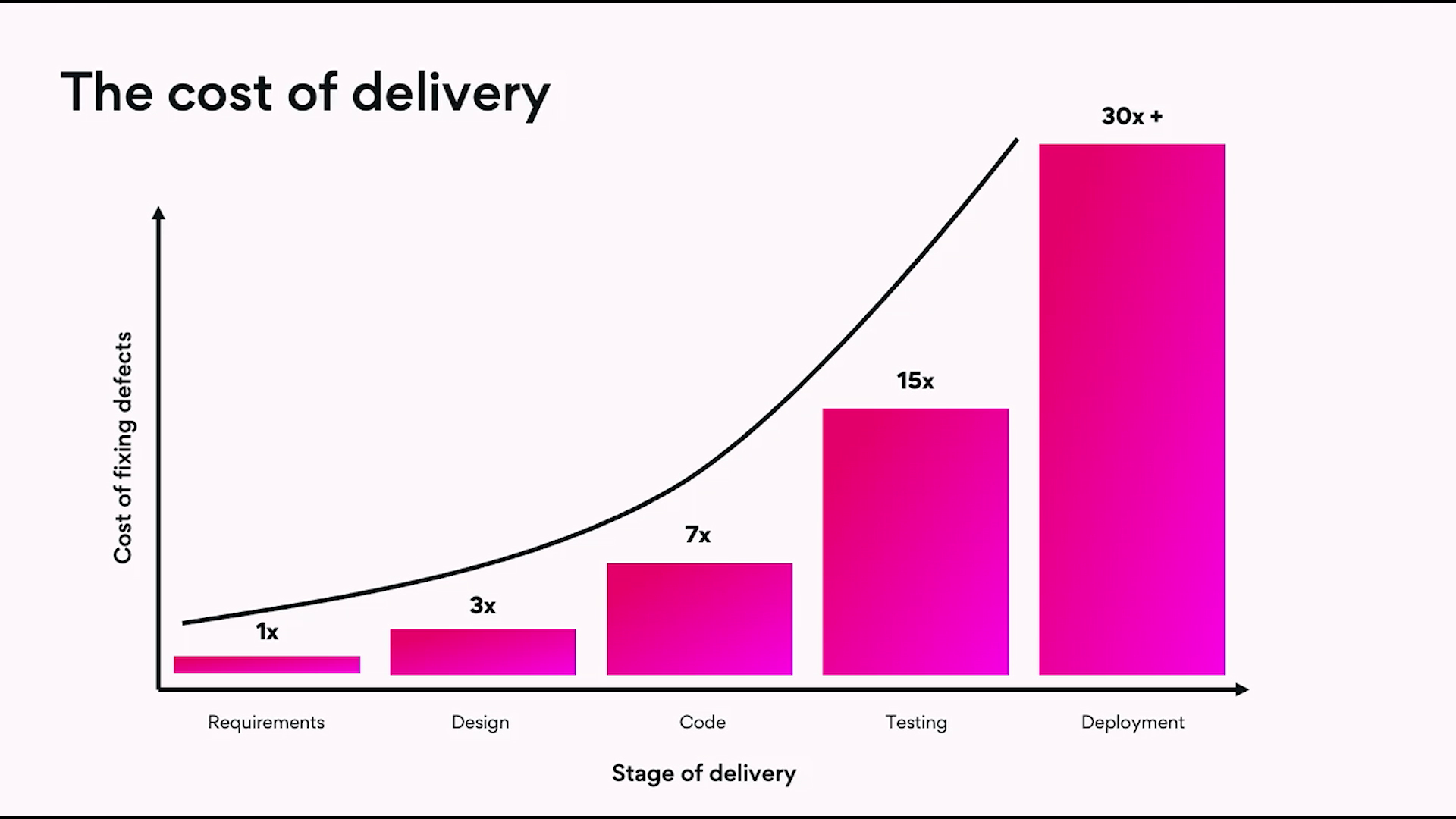
As engineers, we love talking about trade offs with every decision we make, every technical decision, there's always a trade off. And shortcuts as we know, as we ship something often come back around to buy us. All those mini paper cuts build up over time and then we're like, we're to do the big refactor. I mean, that always goes well.
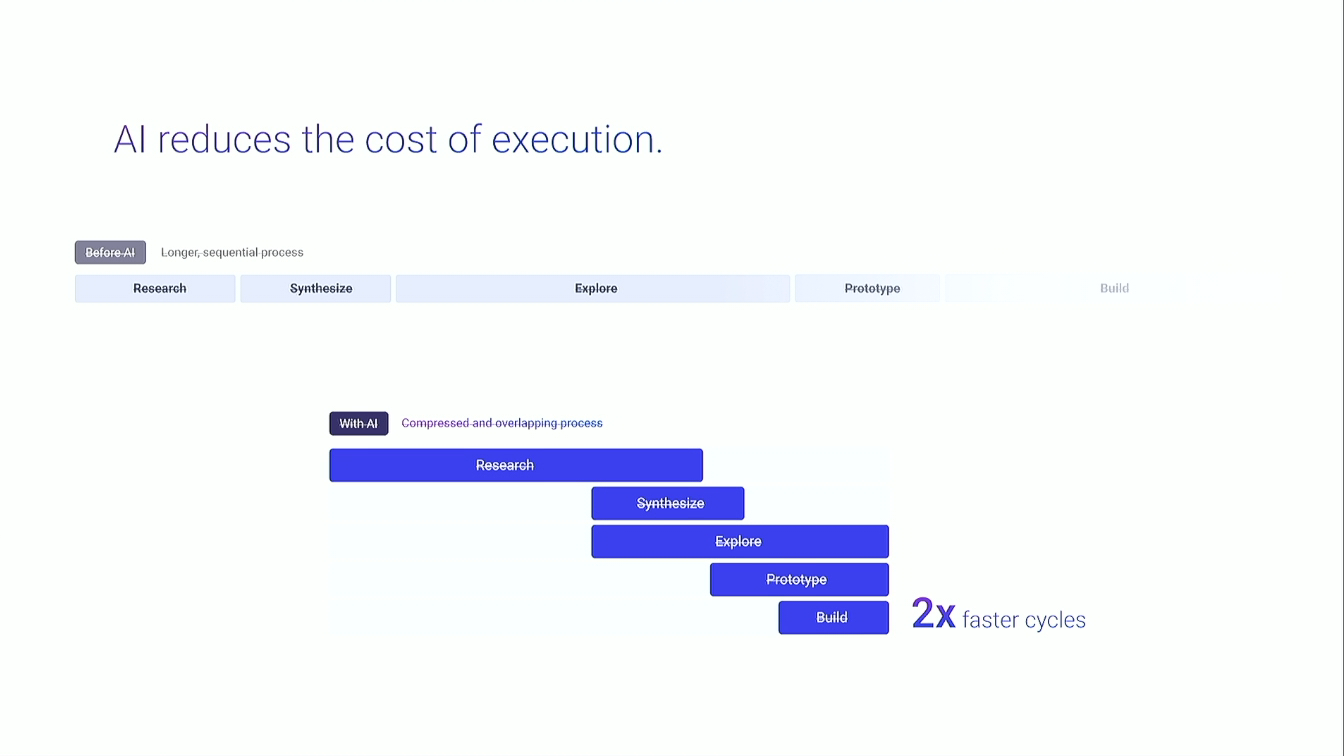
And so sure, it may make us produce code 70% faster, but as I'm thinking more and more and I've read articles on this that share my opinions is I don't think code was ever really the bottleneck as far as I can see. If we're producing 70% more code, that code still needs to be reviewed. It's still like there's still all these other processes.
It just means you then have this huge laundry list of PRs that needs to be reviewed, which admittedly you could solve by why we'll just chuck an AI code review tool on there and can just review all its own stuff. And I was talking to someone before this and they're like, yeah. And then it's also adding all this extra craft in there that you then have to go through and review and double check, which actually is the part I think if you're doing as a human is is good that you are exercising that.
The other thing I thought was interesting is apparently thirty percent of children under eight have now used AI, which I've got three kids myself, so that's kind of a staggering stat and I think well, for everyone in this room that we've probably had time for our brains to develop, to think things through and to work that muscle.
But like you're under eight, your brain is still developing and if it's never getting to that point and if the studies that they've started doing are true, that doesn't necessarily seem like it's a good thing to do and maybe we should be a bit more mindful about what age. Also, the other thing I'm thinking if we're all using it and we're all getting the same ideas back, do we end up in this kind of innovation monoculture where we're all eventually just coming out with the same stuff which also doesn't seem good.
What happens when probably all familiar with the we've got this key man dependency or key person dependency. What happens when our architect gets hit by a bus, you know, that that classic one, all the knowledge goes out the window. What happens when nobody has all the knowledge because it's been AI generated? That's like a zero bus factor instead of the one person bus factor.
So here are some autopilot warning signs that I found for myself. Anxiety when AI is unavailable. So when I flew down from Byron to here, I was like, I'll do a little bit of work on the plane. I opened up the editor and I stopped tightening. I was like, oh man, like, where I mean cursed, like why why is he not talking back to me?
What am I going to do? And then I was like, going have to actually solve this myself. That's outrageous. And so that again like even on the way down, was still thinking, do I want to tweak what I'm going to talk about? Because I realized I had started to build up more of a dependency. I was starting to prompt before thinking through a task, forgetting simple syntax that I used to know at once upon a time, second guessing myself, like when it is spitting out all these huge amounts of code and you see the little bits and they're like, maybe that maybe that is necessary and then you're like, no, no, no, hang on.
This is outside the scope of what I was trying to build. It's gonna make it not maintainable. And then also everything just started to feel too hard without AI, which again, I'm not sure it's really a good space that we wanna be in. So what can we do about it? I don't have all the answers.
I'm gonna say this has definitely been a journey. I'm fair I was fairly late into AI and then went extreme and then kind of down down the other way. I think anyone that does say they're an expert and has all the answers is probably lying because of how fast it's all moving. But I do think it's worth trying to exercise your brain more.
There's a old Warren Buffett quote where he says, I'm gonna butcher it. If you imagine when you were born and you were given a a car on your first birthday and that was your one car for life and you were never gonna get another one, you would take it, you would service it, you would be oiling it regularly because you know that once that's gone, you're screwed.
Right? But we don't often think about doing that with our bodies or our minds and I do try to do that. I gym five days a week which you wouldn't know to look at my scrawny self, but like I'm not trying to get to Ryan Reynolds level fitness. I'm just wanting to maintain and keep myself relatively fit as I go through. And I think trying to adopt that same kind of thinking for your brain especially as we get into this world and we probably all know that we should be doing it is definitely something worth thinking about.
We used to think before AI, right? Even though we would be going and sourcing answers, you'd go to Google, you'd go to Reddit or I don't know if anyone remembers Stack Overflow. But like would you just go on there and copy paste the first answer across or you'd go and look at several different ones, you'd compare them, you'd think about it and then you'd distill it down and you'd be like, well this person clearly doesn't know what they're talking about or this person's only been doing it for a week. And you distill it down and eventually find the one that finds right and you copy paste that over, probably tweak it a little bit.
But you are actually engaging your brain through that whole process. And now it's almost like we're just trusting some stranger who happens to be the loudest person on Stack Overflow blindly without sense checking it. So it got me thinking more about kind of this autopilot versus copilot concept where I started out.
So instead of being like, hey, write my architecture, like have a crack at it first, model something out, maybe sketch it, draw it, take a picture, put it in and then be like, what's wrong with my architecture? Have a bit of a dialogue and leverage AI as a tool. Instead of saying, I mean, and I'm guilty of this, a bug comes up or like a compiler error and I'll now just I'll copy and paste the error blindly across from what I'm not even giving it any context anymore.
I'll just copy the line, paste it in, and expect it to fix it. But now I'm like, okay. Well, is there another way? Could we instead give it a go ourselves and say, might this approach fail? Have a bit of a dialogue. Use the ask mode before going straight into agent mode and just asking it to fix all the things.
And the same yeah. Instead of like create me this system, which is easy to do in auth mode, just be like, okay, I've had a crack at this system. What security holes am I missing? I mean, these are just examples of of using it as a tool but still engaging your brain. A few other things that I'm trying, so I've definitely as I said, I've got lazier and lazier and lazier.
I don't even type to AI anymore. I just talk to it, which is probably why I'll never return to office and continue to work remotely because the questions or the things I'm putting in are far too embarrassing for any of my colleagues to hear. So I'll ramble because AI is very good at making sense of my nonsense.
And so I'll just talk to it for like twenty minutes. It can collate it together, put it back, and then I'll ask, okay, what am I missing? I will ask it, okay, ask me 10 questions about this. So it's at least getting my input back into it. I've been doing a bit more kind of talking as I say with a podcast and and a few other bits and pieces posting on LinkedIn which I never really used to do.
I'm far too scared to post any AI generated stuff on LinkedIn because I'm worried I'll get discovered which is bit less than a good practice for me because it's got me back into actually writing my own content again. But I'll still put it through and be like, what do you think of this? What have I missed? And again, leveraging as a tool but still engaging my brain.
And I'll ask it to critique my work. I think that's another really important thing. So full disclosure, I used AI to help me put this talk together. So I'm massive hypocrite. And then I said, what sucks about this talk? And I asked Claude and it's the top answer was my favorite. You risk sounding like you're an old man yelling at a cloud.
And it's probably totally true. I'd like the last time I spoke at web directions, gave a talk called don't believe the hype. So I'm surprised John asked me back because I'm like the pessimist that likes to kick things off and end things. And also, yeah, the privileged position. Yes, it's very easy to say, just think harder, just do more when like I do have a a start up, I'm doing okay.
It can be a lot easier when people are under pressure to ship to be like, well, why wouldn't I just go 70% faster and use AI? So the hypocrisy problem, I used AI to generate this. Well, that's not true. I didn't use it to generate, but used it to validate my ideas and bounce things back and forth.
And of course, the studies are still pretty early like the MIT and Harvard one is great, but there were only 50 people in there. For me, that's enough not to like throw AI out of the window, but at least just to start thinking a little bit more, being a bit more mindful. And equally, yes, I'm talking to a room full of engineers to not use the most incredible technology since the dawn of the internet.
So I appreciate that. Yeah. What did it say? That's like telling people in 1995 not to use the internet because it might make them worse at library research, which I quite like. Sometimes Claude can be quite witty. So in closing, I think in the future, we'll have two different types of engineer. We'll have those who can think and we'll have those who can't think because AI always did.
And I'm not anti AI, I'm just pro thinking. Thank you.
People
- Warren Buffett
- Ryan Reynolds
Technologies & Tools
- authentication
- LLMs
- compiler
- AI chatbot
- AI code review
Concepts & Methods
- billing
- prompt engineering
- technical debt
- refactoring
- innovation monoculture
- bus factor
- Ask mode
- Agent mode
Organisations & Products
- Kind
- MIT
- Harvard University
- ChatGPT
- Google Search
- Stack Overflow
- Claude
Works
- More Founders Show
- Diary of a CEO