Everything Is a Factory
Software Development Has Been Commoditized
Geoff Huntley opens with the provocative claim that software development now costs less than minimum wage because software creation has been commoditized like photography. He shares anecdotes—from a non-technical attendee named Roslyn at a cursor meetup to a New Zealand tour guide 'token maxing'—to illustrate that anyone can now write software, fundamentally challenging the identity of professional software engineers.
The End of Knowledge Gatekeeping
Huntley argues that society has long been structured around scarcity of expertise—software developers, accountants, and lawyers charged premiums for specialized knowledge that is now abundant. He cites PewDiePie's use of property-based testing on GitHub as proof that skills once considered elite are now accessible to anyone with curiosity and AI tools.
The 'Oh F***' Moments: IDEs and Societal Realization
Reflecting on his 2024 predictions that IDEs would become obsolete, Huntley describes being dismissed as 'mad' before his forecast proved true, with IDEs now reduced to diff-review tools. He explains that society's collective realization about AI's disruptive power took time despite the technology already being capable, comparing early AI adopters to musicians who deliberately practice their craft.
Two Classes of Companies: Lean Startups vs. Legacy Giants
Huntley describes a bifurcation between lean AI-native startups capping headcount near 50 people and legacy companies requiring multi-year J-curve transformations. He references Block's major layoffs attributed to AI and predicts that one successful case study—like Shopify or Block—will trigger widespread copying of new organizational blueprints, similar to how Spotify's Agile model spread industry-wide.
Venture Capital Disruption and the Question of Seed Funding
Drawing on five months of conversations with venture capitalists across multiple continents, Huntley reveals that LPs are questioning why startups need seed capital when small teams can now build products without large funding. He notes that software remains investable but must shift from per-seat SaaS pricing to unit-economics-of-outcome models, setting up SAP Concur as an example of legacy overhead.
The 6,800-Employee Problem: Legacy Organizational Overhead
Using SAP's 6,800 employees as a case study, Huntley explains the existential dilemma facing large companies: whether they have enough time to transform before AI-enabled competitors disrupt them. He highlights the trend of top talent leaving to join AI labs or start competing companies, using Workday's former transformation lead as an example of this 'reverse disruption' pattern.
Backfill Freezes and Quiet Layoffs
Huntley shares a New Zealand founder's story of cutting a team from 60 to 20 people by simply not backfilling roles and removing AI-skeptical employees, resulting in higher output—a decision made three years ago, well ahead of the current wave. He emphasizes this quiet trend of stalled backfills over explicit AI layoffs, and warns engineers that company-level AI adoption failures shouldn't be treated as personal failures.
The Consumer-to-Builder Journey and the New Interview Bar
Huntley outlines a personal and organizational journey from AI skepticism to becoming an active builder with AI, based on his experience as a tech lead at Canva. He introduces his 'curiosity test' hiring philosophy, arguing that senior engineers must be able to explain fundamental AI concepts like agents and primary keys, treating this as the new baseline for technical competence.
Demystifying AI Agents: The While-True Loop
Huntley demystifies AI agents by explaining them as a simple while-true loop that sends prompts for inference, checks for tool calls, and iterates—something he says any senior engineer should be able to diagram. He mentions his workshop teaching engineers to build their own coding agent in roughly 300 lines of code, reinforcing his message that deep understanding, not surface-level usage, is now essential.
Anti-AI Backlash and the Real Cause of Job Loss
Huntley acknowledges the uncertainty of where AI development leads and highlights emerging anti-AI sentiment in society, such as complaints about water usage. He argues that job losses attributed to AI are often really about individuals failing to invest in their own relevance and adaptability rather than AI itself being the direct cause.
Eliminating Waste: Single Sources of Truth and Hiring Signals
Huntley advises that removing organizational waste—like redundant Git repositories or fragmented documentation across Jira and Google Docs—can accelerate progress more than AI adoption alone. He suggests using questions about process improvements and Agile practices as key indicators when hiring engineering managers.
Ideas Over Execution: The Inverted Value Proposition
Huntley challenges the classic startup adage that 'execution is everything,' arguing that since execution is now commoditized by AI, ideas and knowing what to build have become far more valuable and difficult. He humorously describes 'handbag shopping for features' by screenshotting competitor websites and feeding them directly into coding agents.
Closing Call to Action: Invest in Curiosity
In his closing remarks, Huntley argues that professional identities tied to specific tech stacks or years of experience no longer matter, as AI has erased these traditional markers of value across nearly every field. He urges engineers to embrace curiosity, understand AI's underlying mechanics, and actively build with these tools, noting that those who have done so have received rapid promotions.
Thank you, John. Hello, everyone. My name is Geoff Huntley. I am here today. I want you to agree with me or disagree with me. I don't know where this is going. Like, I'm going to say some pretty provocative things, like software development now costs less than minimum wage. I want you to think deeply about this.
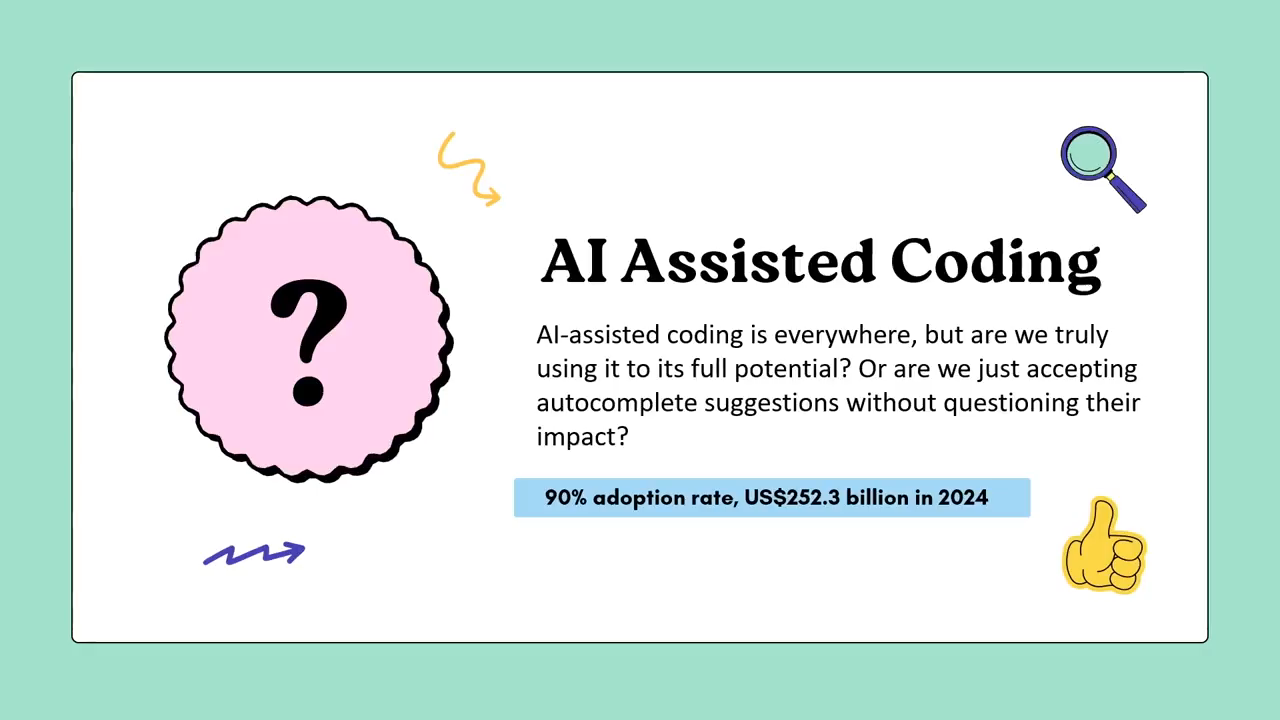
Software has been commoditized. It's kind of similar to this iPhone in my hand. Anyone can now be a photographer. It doesn't mean that they're a wedding photographer. Product managers can now be a software developer. Doesn't mean they're a software engineer. Because a lot of things have really changed over the last year. So with introduction done, I'd like to say, hi, mom.
And I do not work for anyone. I do not represent anyone. These are my own ideas and things of where things are going. You see, it's been about a year since I introduced year and a half since I introduced the idea of long running tasks and agents. You're now using them day to day. And I've been trying to figure out where everything goes from here.
So here's me giving a talk at Atlassian about a week before Atlassian did their layoffs, talking about the unit economics of business have forever changed. Whoops. And I want you to think deeply about this, because the economics of business have fundamentally changed. Like, software is now easy to create. Doesn't mean it is like you're creating the right things.
Anyone is now a software developer. You see, here, here's a meetup I went to about one hundred days ago before I started doing a lot of my world tour and talks. There was this cursor meetup, and here is Roslyn. Roslyn is not a classical software developer by any means.
At this meetup, there were product managers, designers. They're all having their time and their lives, folks. Not really software engineers up there because our skill set has been commoditized. You see, in my travels, when I first started doing my travels, about a hundred days ago, I did a side quest over in Auckland. I went to Lord of the Rings.
I was like, yes, side quest. Let's go do it. And my tour guide operator, his tour guide operator said, Jeff, what do you do? I was like, oh, I do AI. Please don't judge me. And he's like, no, how good is AI? Like, I'm building all these things. I'm like, what does it mean for our profession when a tool guard operator is token maxing?
You see, everyone is now a software developer, folks. Everyone is now a software developer. I want you to deeply understand that it's been commoditized. Anyone can now write software. Previously, software was gated. You either understood that you can control a computer or you got a user interface so you can click and configure to get the business outcomes. But that's just completely changed now.
That's just smashed. The paradigms have smashed. Everyone can now control the computer. They can now write code. Previously, was gatekeeped. And it's kind of weird because society has been structured around a scarcity of knowledge. Software developers were gatekeeping, like, no, you can't do that. Oh, that'll take two weeks, whatever. But it wasn't just that.
It was accountants, lawyers, all the white collar professions. We charge a lot of money because time, like expertise, means we can charge more for that expertise. But what does it mean when now we've got AI? What does it mean if someone wants to do work of a principal software engineer, and they get a skills pack, they're doing property based testing and deterministic system testing.
I saw something yesterday, PewDiePie, believe it or not. PewDiePie is writing better tests than most software engineers right here today. Go look at his GitHub. He's using Antiphysis with Bombadil with property based testing. Meanwhile, you're using Playwright. What does it mean when these skills that used to be scarce are now abundance?
And we've got a YouTuber like, just doing better software testing than most software developers or software engineers here today. Wow. Okay. So if I rewind time, around about 2024, I originally said, oh, fuck. Things are going to change. Things are going to change. And I first wrote the publications like, hey, like IDE.
No one's going be using an IDE anymore. And people were calling me mad, absolutely mad. It's like, no, no, Jeff. I love IntelliJ. I love JetBrains. It's going to be here forever. I'm like, no, it's cooked. It's gone. And for the people in the room here, I'm sure there are a few that might be still using their favorite IDE, but it's gone. It really is gone.
It's been replaced by cloud based workflows or some other thing. IDEs are now really diff review tools. Okay, so if we zoom time a little bit further, we have another oh fuck moment in time. Now, this was Christmas, so a year's passed, and society is now slowly having the same moment in time.
I want you to carefully think about this. No matter how much AI gets good, and it's getting like this, slope on slope derivative are getting good, it takes downtime before people realize society downtime. The reason they had the oh, fuck moment wasn't that the LLMs were getting good. They were already good for societal disruption in 2024.
They were already good enough. They had they required a lot of skill to get those outcomes. But now they're just they're just set and go. They just work. But it took the downtime, the public holidays, for people to really sit down and realize that things were getting good. You see, the people around me back from 2024 and even before that, the people who are really getting good with AI is we've been putting in deliberate intentional practice.
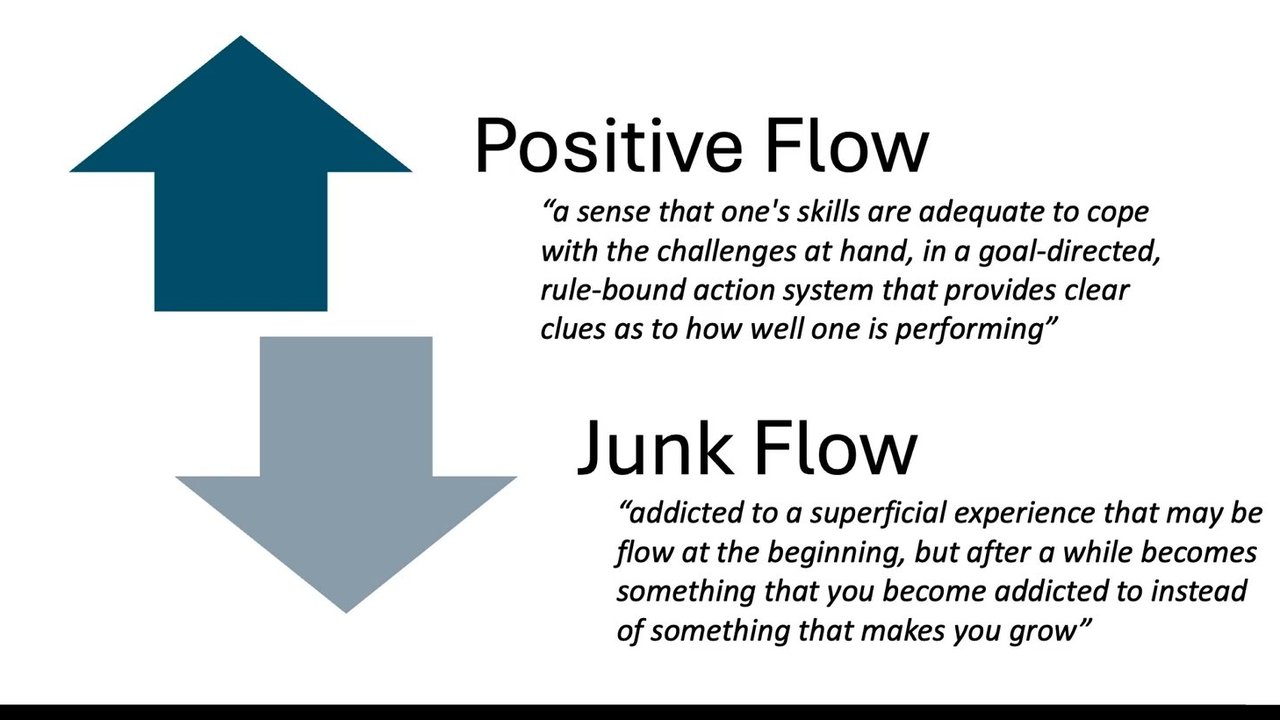
We classify them like musical instruments. You see, musos don't just pick up a guitar and give it a strum and go, oh, that guitar's crap, and throw it on the ground. They treat it like a calculator. But why is it the employees themselves? Like, we're enforcing these guitars down into corporate. And we're we're just going, like, please play the guitar.
Please play the guitar. Please get the guitar. Please, like, token leaderboard, what else have you. It's really just literally a curiosity test. Will you pick up the guitar and invest in yourselves, folks? But not everyone is going to be musically inclined, is my take. You see, I think there's now two classes of companies.
We now have the companies that are already lean in the sense, the startups of the last year, that are going, no, we're never going to hire more than 50 people in our company apart from field engineering. Meanwhile, we've got everyone down on the bottom, which is every single other company out here, and they've got to go for a J curve transformation program.
Takes three or four years. Normally, that's fine, but here we've got brand new Clayton Christensen startups building with slope on slope, like pace, being able to, as the models get better, come in to attack every single other company out there. So, oh, this is going to get interesting. You might have seen this.
Block lays off nearly half its start because of AI. I mean, there's been a few things on backwards and forwards. Is this right or is it not right? My honest take is Jack is right. AI will allow to reimagine the organizational charts within most companies. Now, I want you to think about Spotify and how they produce those two different videos of how Agile's done, squads, tribes, guilds, and all these things. And all it took was that video, and every single company out there bloody carbon copied it, and they rammed it into their organization. It's going to take one case study.
What we have right now, we have Jack, Toby at Shopify, and a few other executives. They're basically getting their organization and a deck of cards throwing up in the air, 52 card pickup style. And it might kill their company, but they might find the winning blueprint. It's only going to take one company to actually get this blueprint, and everyone's just going to copy it through.
One case study. Pay attention, folks. So for the last five months, I've been traveling around from Australia to South Korea, New Zealand, San Fran, Europe, and just kind of having conversations with venture capitalists. And the question that's on every single LP's mind right now and putting pressure on their GP is why does someone need to raise seed capital now? What is the point of pre seed capital?
Previously, you used to need money, raise money to be able to hire the team to build your thing, but now you can just build the thing by expressing what you want to be built. So the disruption is not just within our profession as software developers and in product. It's upstream and finance as well. Like, what is the point of capital if it's just a five man show? This is the question that's on everyone's minds.
There are answers and there's nuances. Come find me, and I'll go very deep into this. Because the question on people's mind is, like, is software still investable? It is, but it has to be charged on a unit economics of outcome, not charging per seat. That's legacy SaaS. So for no particular reason at all, every store needs a punching bag, I'm going to choose SAP Concur.
Now according to LinkedIn, SAP has a fixed overhead of 6,800 people. That's 6,800 employees that have to go for a J curve people transformation program. They were built like this. Most of the companies today are all being built like this. The idea is you get your shippers and your builders, and you just add middle management, a middle layer on top of that organization.
I want to think deeply about this because the new companies that coming to market today, they are not wanting to do this. And there's companies such as Block that are willing to do some wild experimentations to find out what is next and what is different. Because the question that's on every executive's mind right now is how long does it take to transform 6,800 employees, and do I have enough time to transform by the time my business gets disrupted by AI? Not necessarily AI disrupts you, but it's going to enable new competitors to market. What happens when your A team players, they're like, it's going to take too long to do the transformation of this company. I don't think this company is going to be able do the transformation, they quit.
And they just created a brand new company. Has anyone noticed that the minimum hire at the labs these days are CTOs? Like Workday. The person who was in charge with the people transformation within Workday itself is like, nah, I'm just going to get a job at the lab, and then I'm going to destroy Workday in a reverse fashion. So the question is, why would you transform 6,800 employees?
If you're not bailing ship, you'd be thinking like, why would I transform them more? Because we all know that smaller teams get better outcomes. And here's a story from a founder of New Zealand. We're smaller but effectively cut two thirds by saying we wouldn't backfill. Folks, for the developers not in the room, go have a talk with people in business and finance.
This is the quiet thing that's not being said aloud. It's not necessarily there's AI layoffs as such. Just backfills have stopped. I mean, stopped for quite a while for a while. And it was from this founder who was one of the best decisions to get rid of all the people who were sick of hearing about AI, the detractors.
They're 20 people now, down from 60, and they're getting more output than they ever have before. Notice the date? This is three years ago, folks. If you're thinking about making changes to your organization in response to AI, you're not late, but you're not early. You see, this is going to be hard for people. You think about all the people who have done Game of Thrones sociopolitical activities. This is one of the most disruptive parts of AI, is no person is going to give away their power.
It's going to turn into kind of Hunger Games as it goes through this J curve transformation program. Because as we figure out whether this is even possible, not that I'm advocating for it, but there's a lot of companies working on figuring out the right design for this organization thing. And there's even companies in SF that are actually working on building products to enable this type of thing.
We call it the AI operating system. Deep. I don't know where this goes. I want you to think deeply about it. But one thing I know for sure is experience as a software developer today does not guarantee relevance tomorrow. You know mean? Like, software developers trade time and skill for money.
If a company is having problems adopting AI, that's a company issue. That's not your own issue. Right? If you're working for a company that has banned AI outright, you should quit that company. Put your family unit first. Invest in yourselves, folks. I mean, if they're having problems with AI, that's a company issue. The company's got to fix their own particular issues.
I want people to think quickly. I wrote this about almost a year and a half ago when I was a tech lead at Canva. And this is my own personal journey and also for interviewing other engineers at Canva. And we found that as we rolled out these tools, people fell somewhere along this. This was me. I was great.
I was like, AI is not good enough. Prove it to me it's not hype. You start experimenting with it slowly and slowly, and you go, oh, fuck. Well, I have a job in the future. And eventually, you get past it, and you start building with AI. And then that you're a consumer, And next thing you know, you start learning how it all works under the hood.
And then you're actually a builder with AI. Now, for the leaders in the room, the question is, how do you actually build the bridge to support your staff across this chasm? The other question is, for leaders, you might be noticing why there's a line in it this year from the time I gave this talk last year. It's simple.
I don't hire people on the left of the line anymore. There's a large pool of people who are being curious I call this a curiosity test who understand how everything all works. This is the line. You should be looking for this. A senior engineer should be able to explain how AI works under the hood. If I was to ask you what a primary key is, you're like, Jeff, what are you doing?
You shit testing me? This used to be the most basic question you ask your intern, junior, like, what's a primary key? Here's the database. Have fun, mate. Don't drop it. But why is it when I ask a software engineer, what is an agent? Show me one. Build me one. On a whiteboard, they freeze up, or they can't get into specifics.
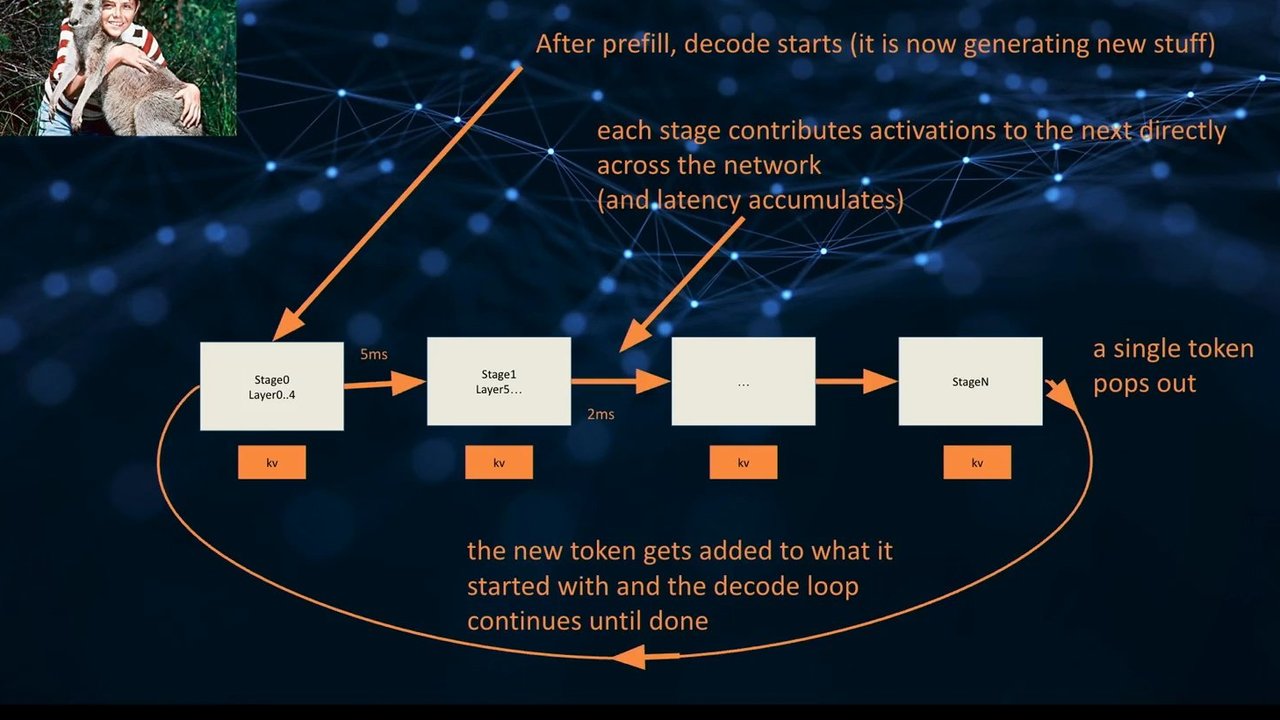
An agent is really simple, folks. It's this. This is the big scary boogeyman that everyone's scared about. It's a while true loop. It takes the prompt, adds it to an array, you send it off for inferencing, and you look at whether it needs to execute a tool to automatically copy and paste that response back, and it sends it off for another turn.
It's really simple. Senior software engineers should be able to be able to explain this as a sequence diagram on a graph. This is the new bar, at least from my point of view, for interviewing. See how deep they can go on this knowledge, because it's a curiosity test. I have a workshop for the software engineers who haven't done this.
You can build your own cursor, call code, and pie. Like, it's 300 lines of code. It's really simple. Build your own coding agent. It is so simple. It's going to be really interesting to see how this all pans out, folks. Like, I don't know where this goes. I don't think anyone does. If anyone says they know for sure, they're selling you horseshit.
Because for a lot of people, they think nothing has really changed, and this scares me deeply. Scares me deeply. We're already seeing the start of the anti AI aspects in society. People are like, oh, it's using too much water. It's a closed loop system. We're already seeing some of the outrage punch up.
You see, because a lot of people are presenting that nothing has really changed, but really, AI is kind of burrowing under the foundation and the safety net of many people and their family units. They wake up, you have no job. It's like, why? AI. But really, was it really AI, or was it the person not investing in themselves and stay relevant?
Closing ponderoos. Removing waste from your systems and processes is a bigger accelerator than AI itself. I have clients here in Australia, a banking one, that had one Git repo per UI component in the design library in Atom. This is stupid. That is waste.
If you have multiple sources of truth, you've got stuff in Jira, you've got other things in Google Docs and other things like that, that's also waste. Establishing single sources of truth is really important. Also, interesting enough, this is how you figure out who you should hire for engineering manager. You should be asking them, what is AI broken in the systems and processes? Like, do you use Agile anymore?
How have you not used Agile? What have you changed? Where was the waste? What did you do? What are the outcomes? Here, this is your leading indicator for engineering manager what to hire. The old saying was, the ideas are worth nothing. Execution is everything. But what does it mean if you can just literally when I want something, I go to a company's website, take a screenshot of their marketing material, rip a fart into my coding agent, and I get that feature.
Like, I literally go handbag shopping for features, for SaaS things these days. So everything here has been inverted. Ideas, what to build is still very important, and it is one of the hardest questions it's ever been. But the idea that execution is more important, like, No, no, no.
Ideas are more important than execution because execution is now commoditized. This is going to be really hard for a lot of folks. For the software engineers in the room, you might have a conversation today. It's like, what do you do? Oh, I'm a Golang developer. I'm like, cool. Do you use NeoVim? Do you use IntelliJ? Do you use Versus Code?
And it might be quite rude, but I go, none of that matters anymore. You're Ruby? Doesn't matter. There's an identity that you speak to. I work for this bank. I work for this tech stack, and I have n years of experience. Doesn't matter. And this is one of the things that gets people to get their oh, fuck moment and get really stuck deer in the headlights is all these things, these functions, these identity of who you are have been erased by AI, not just in software but for nearly every single field.
And really, it really comes down into have you been investing in yourself? Have you been curious, folks? Because it is so important to really invest in yourself. If you're having AI rolled out in your company, they're sending you a message. The message is just pick up the guitar.
Learn how these things work under the hood. Like, there are many engineers who have implemented some of my ideas in the last year, and they're just instant promotions. I've had many talks over the last one hundred days where this has taken place. Please build an agent. Be an engineer who is curious. Understand what an engine is and the piston, tool calls, and everything else like that. Don't be just someone who's just a complete consumer.
Thank you.
People
- Clayton Christensen
- Jack
- PewDiePie
- Roslyn
- Toby
Technologies & Tools
- Cursor
- Git
- GitHub
- Golang
- IntelliJ
- NeoVim
- Playwright
- Ruby
- Visual Studio Code
Concepts & Methods
- Agile
- AI Operating System
- Curiosity Test
- Deterministic System Testing
- J Curve Transformation
- Primary Key
- Property Based Testing
- While True Loop
Organisations & Products
- Atlassian
- Block
- Canva
- JetBrains
- SAP Concur
- Shopify
- Spotify
- Workday