WebMCP updates, clarifications, and next steps
March 5, 2026
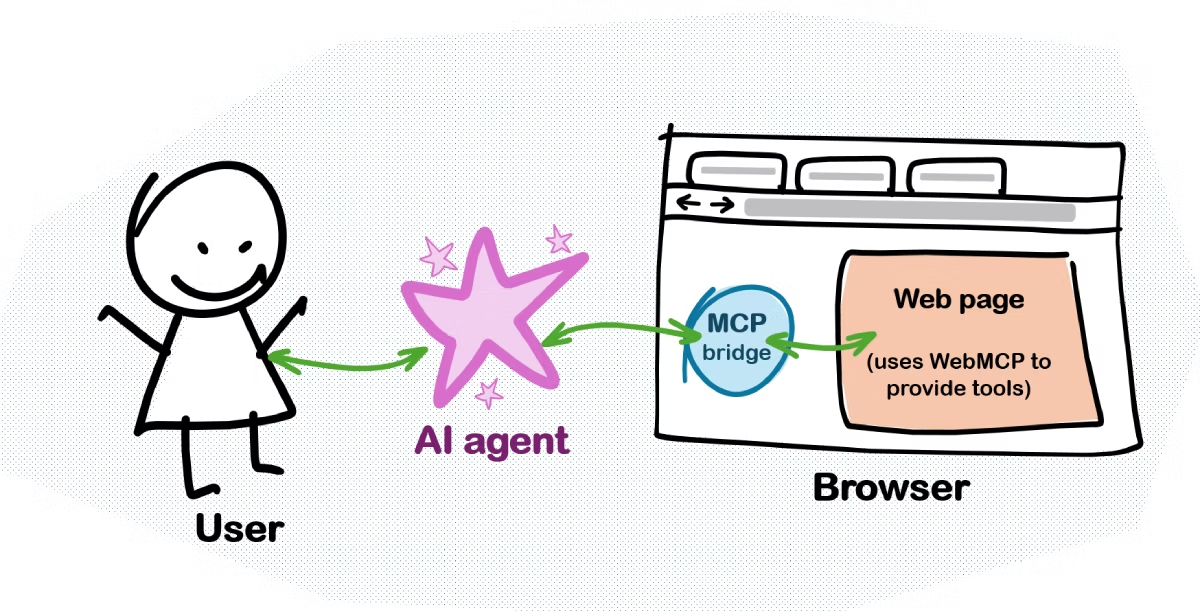
In my first post, I said that the browser acted as an MCP server. That’s not exactly right. I was simplifying how WebMCP relates to the Model Context Protocol.
The spirit of it is correct. The browser does become an agent-accessible interface to the page. But the reality is more nuanced:
WebMCP only really cares about that first layer. A WebMCP tool looks almost exactly like an MCP tool. Same name, same description, same input schema, same implementation function.
It’s very likely that an increasing percentage of the users of your web content won’t be people, they will be agents. Now I’m not talking about bots trying to scrape your contents, I’m talking about agents that someone tasks with completing a job for them.
They might be buying something, might be discovering some information, might be applying for something, might be booking something. So how can agents best use websites? So there’s two approaches.
Agents can get good at using existing websites, which they will over time. Or, we can set up our websites to be more accessible to agents.
WebMCP is a technology designed to enhance the latter approach. So it’s well worth having an understanding of what it is and how it works.