Doing Simple. Honest. Work.
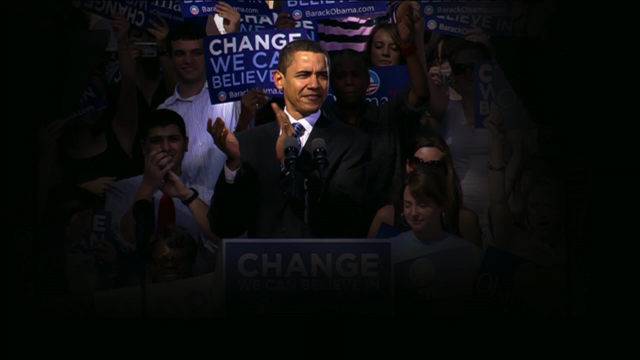

As the adage goes, “Rome wasn’t built in a day”, nor are websites, brands, or products. It is a matter of process. From designing the president, to launching a startup, to helping Nike “Just Do It”, I’ve applied an iterative approach not only to the work but also to the process. Challenging myself and my teams to be more empirical, more democratic, and more honest.
Four years since Scott has been at WD! Wow time flies.
The brief for the Obama campaign was simple and powerful – to design everything in front and behind the campaign. Everything from the website to the placards and podium graphics.
Took a messy site and designed the now-famous Obama Brand. After the campaign Scott didn’t want to move to DC… but he did create the Designing Obama book, which is now out of print. But this is what he spoke about last time, so moving on…
Scott’s company is named Simple.Honest.Work. They feel technology should be used to humanise us.
His guiding principles as he built (hired) the company:
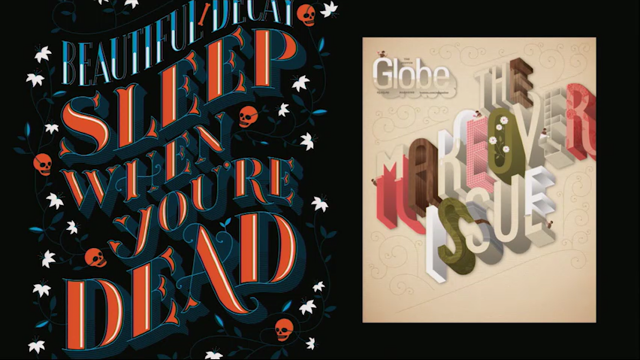
Fast Company came to SHW wanting to launch a new website. They took inspiration from Fast Company’s awesome magazine cover design – that was being lost on the website they had. “Everything just ended up in boxes.”
thenounproject.com – attempting to get a consistency of icon meaning. Huge shared project, 50k icons and growing.
Great work doesn’t happen on its own.
Creation is a process.
All processes need structure.
You have to constantly iterate on your process – keep getting better, keep working to solve the points of frustration.
“Just be creative” – argh! We hear these things all the time. But we need to stop rolling our eyes at this and be the guides, the leaders. We should provide the structure within a project.
Talking through the process of creating the New America Foundation’s new brand.
SHW’s process includes:
The process is more of a cycle than a linear path. Iteration, not waterfall.
UNDERSTAND
What’s a brand? When people say they want a new brand, a new identity… they built a “periodic table of brand elements”, to break up the concept of a brand into manageable pieces. eg. Logo, imagery, colour, typography… naming, products, processes… what do you do for the world? What is your culture while you do it? How do you describe what you do to other people? What is your brand voice? How do you visualise it all?
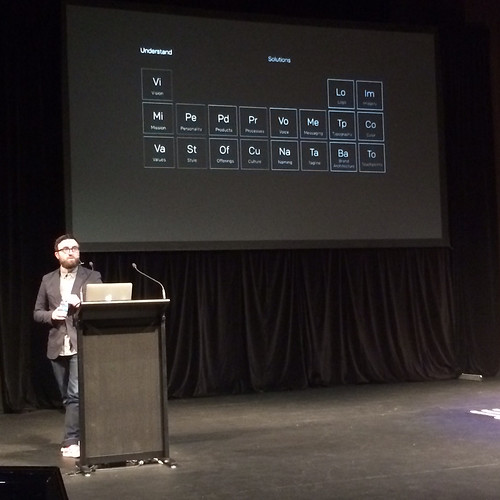
Getting to the core: Vision, Misson, Values.
What are your brand attributes? (innovative or traditional, simple or complex, fun or serious..?)
SHW actually created a set of brand keyword cards, with the opposites on either side. They do an exercise where they get participants to choose their cards; then strip it down to a small set of core values.
They also get people to imagine their brand as a car, as a fashion brand, as a celebrity, an animal. It helps people understand the idea of identity and personality and helps them express what they want for their own brand.
People struggle with questions like… Describe the brand’s style? What images describe the company? Do you like a serif or sans-serif?
They created mood board sheets – ~8 images with numbers, then have people rate them. Each mood board had an overall theme or concept.
Then ask… What do you do? What differentiates you from competitors?
This leads into voice, naming, taglines. This is where you can see if the brand is really working.
(margaret mark quote – “the most successful brands are those that most effectively correspond to fundamental patterns in the unconscious mind known as archetypes”)
What archetype aligns with your business? Regular guy/gal? The caregiver? The ruler? The explorer? The sage? The hero? Etc…
Scott finds it’s a challenge to keep his own team from going straight to sketching, drawing. It’s a natural reaction to jump ahead, just as devs like to start building. “Just wait until you understand the brand… you’re not creating it for you.” You have to stop, learn, only start creating when you properly understand the goals.
APPROACH
Research, qualitative, interviews, competitor analysis (for the New America Foundation, every single competitor was using blue as their brand), gut test.
20 Second Gut Test: you can begin to test your hypothesis. You can get the group aligned with a quick test. They put up lots of quick images and get data from it with a survey → they turn gut reaction into data. The participants only have 20 seconds to tick ratings/numbers.
Then when they present actual on-brand designs, they continue using quick surveys. They set the tone and make the client expect to do homework, give feedback, provide detailed numbers on how they rate different options.
Make people feel part of the process by making them part of the process.
“Designers and engineers I don’t think are that different. They both have a spirit of creativity.”
Start somewhere. The problems are massive and can be overwhelming.
Be empirical. Try to get numbers, remove subjectivity.
Keep iterating.
Bring people into the process.
Use process to distract dissent. If someone said they liked something at the start, it’s harder to suddenly say they don’t like it later on.
Wear many hats. Step out of your comfort zone.
Q: despite your process, do you get people saying “give me Obama!”
A: It happens – but he has to say well, you’re not Obama, you’re doing something else so that won’t work for you. You need to build your own brand.
Q: do you think your background in coding influences your design process?
A: absolutely. Noun project was a bit like github for icons. Design needs to be more like open source, more democratic, more open. People see it as a closed magic box that produces amazing things.
Q: if your empirical data suggested what you have isn’t working, how do you deal with that?
A: well if the data says it, then you need to change things! But you should still ask whether the ‘problem’ really is a problem – will it prevent the project reaching its goals? When someone looked at the New America Foundation’s revised logo, and said it “looks like a guy lying on a mattress”, it was fair feedback but it didn’t impact the mission of the brand.