The Cathedral, the Bazaar, and the Winchester Mystery House – O’Reilly
April 7, 2026
In 1998, Eric S. Raymond published the founding text of open source software development, The Cathedral and the Bazaar. In it, he detailed two methods of building software:
The ideas crystallized in The Cathedral and the Bazaar helped kick off a quarter-century of open source innovation and dominance.
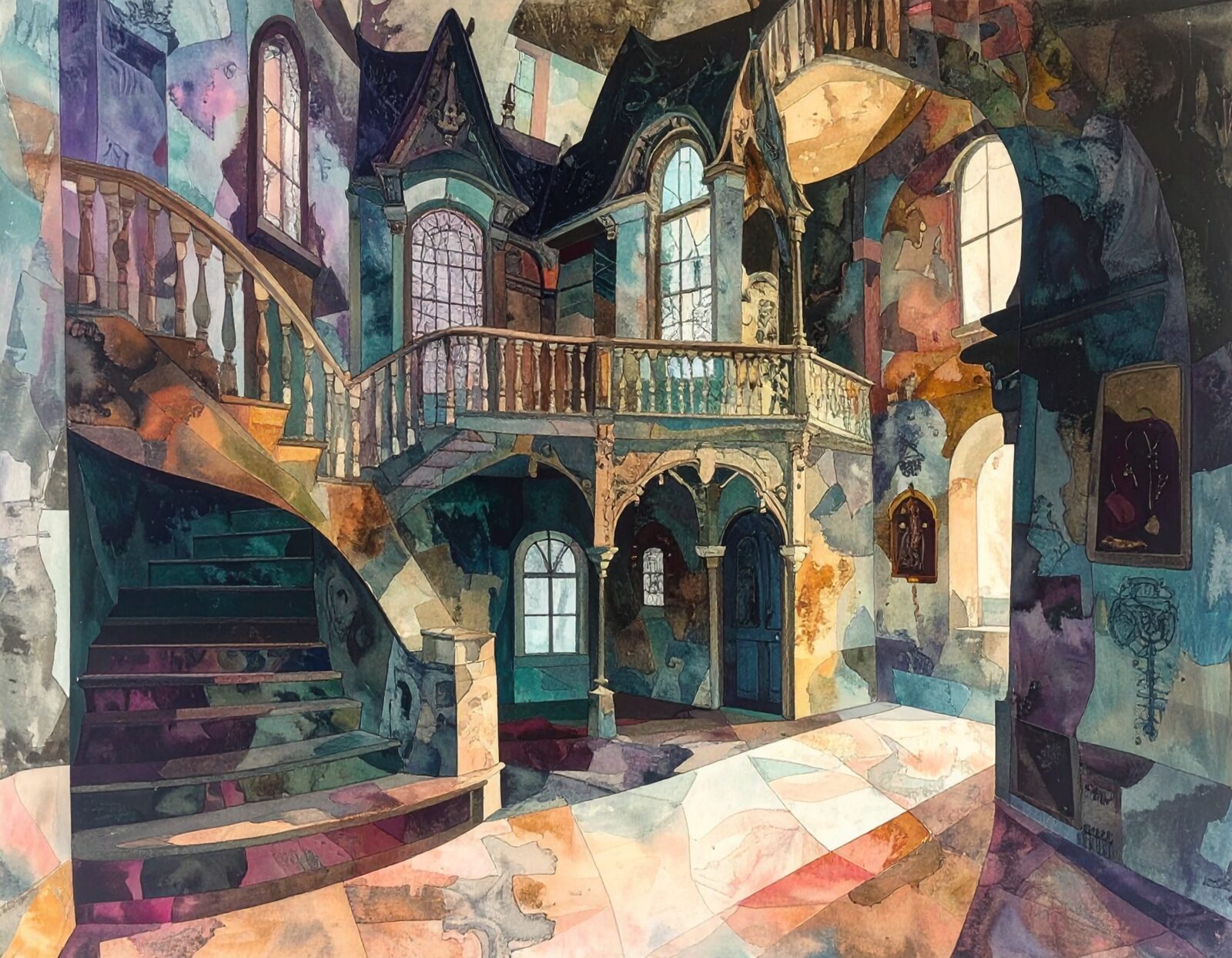
But just as the internet made communication cheap and birthed the bazaar, AI is making code cheap and kicking off a new era filled with idiosyncratic, sprawling, cobbled-together software.
Meet the third model: The Winchester Mystery House.
Drew Breunig, who has done as much as anyone to explore and popularise the ideas around context engineering, reflects on the current state of software engineering through the lens of a classic late 1990s piece, The Cathedral and the Bazaar.
He argues we are now seeing a third approach, the Winchester Mystery House approach to software engineering.
I think it’s important to try and understand and reason about the obvious profound transformations that are happening within the domain of software engineering.
And this piece by Breunig is definitely a valuable contribution to the conversation.