Is Learning CSS a Waste of Time in 2026? – DEV Community
February 3, 2026
With modern frameworks, component libraries, and utility-first CSS, it’s a fair question.
Most frontend developers today rarely write “real” CSS. Layouts come prebuilt. Responsiveness is handled for us. Accessibility is supposed to be baked in. If something needs styling, we tweak a variable, add a utility class, or override a component token.
I’m going to take a stab at this question, and I think my answer is completely the opposite. I’ll state my biases upfront. I think CSS is a profoundly important language that many, many software engineers have spent the better part of at least 15 years trying to abstract away the nuances and complexities of.
The argument in a nutshell is that developers use Tailwind and CSS in JS of various flavours and never need to actually write CSS, so they never really need to understand it.
I’ve argued, and I increasingly believe that the tower of abstractions we’ve built to hide the underlying capabilities and complexities of the web platform in CSS, in the DOM, in JavaScript, in HTML, in ARIA–that tower is no longer relevant.
LLMs understand the DOM. They understand JavaScripts. They understand CSS incredibly well. These are really incredibly well-documented technologies. There are huge codebases out there. It astounds me that anyone would think it made any sense to get LLMs to generate anything of a higher level abstraction than the underlying platform capabilities because those abstractions are written for humans, not in LLMs. They get in the way, they come at a really high cost. We made the trade-off to get better developer experience at the cost of in particular performance by complex build tools and on and on.
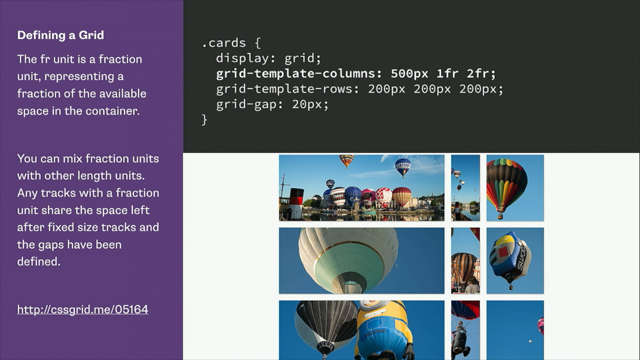
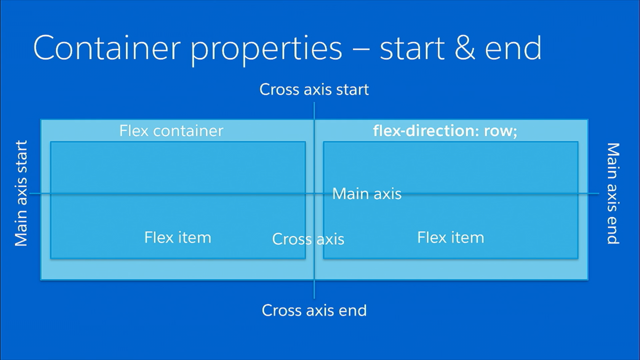
So, that means you should all learn CSS right? Well, yes and no. I think, increasingly, what good software engineers will do is they will understand the capabilities of the technology. They won’t have a hammer and use it incredibly effectively every time they have a problem. They won’t use Flexbox all the time or whatever tool they particularly want to use. Instead, they will know the subtleties and complexities and capabilities of their platform, their toolset, or their language, so they can guide code generation tools to use the right tool at the right time. They will know when Flexbox or Grid or absolute positioning or whatever it is, is the right layout choice.
So forget everything above the layer of the core technology.
You won’t be writing “real” CSS. Your large language model will be writing that, but it shouldn’t be writing Tailwinds. That’s a technology created to abstract away the complexities and, in many cases, the power of CSS on the web platform. It’s a uniquely bad decision when you’re working with code generation to choose a tool like that.
What should you do as a developer? Learn the concepts. Have an encyclopaedic knowledge of the capabilities of the language and platform that you use. But you’re not going to be writing the code. You’re going to be guiding the tool that you use to write the code. And increasingly you will use specification documents, plan documents to shape the scope of what the code generation tool will produce.