
Co-pilot, not auto-pilot
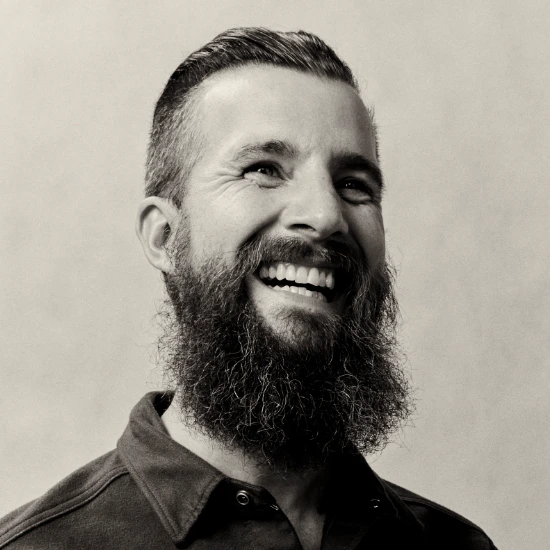
Dave Berner Co-founder & VP Eng Kinde
Everyone assumes engineers are the first to adopt new tech. But when AI hype exploded, I dragged my feet. I wasn’t sure if it was another overhyped wave or something quietly rewriting how we work. Would it make me more effective or obsolete? What would I even use it for? This talk shares my journey from healthy skepticism to thoughtful adoption, and the real-world use cases we’ve found valuable inside a fast-moving product company. From engineering to marketing to product, I’ll walk through where AI has genuinely helped us build faster, make better decisions and where we’ve deliberately chosen not to use it. More importantly, I’ll talk about how we stay human in the process. That includes avoiding the AI feedback loop (e.g AI writing LinkedIn posts for other AIs to comment on), designing AI-assisted experiences that feel useful, and helping teams use AI as a tool, not a crutch. It’s a candid, practical talk for engineers and leaders figuring out where AI fits into real work not just job descriptions.

How Generative Tools Are Re-Architecting the Software Engineer’s Role
Apurva Misra AI Consultant Sentick
Large-language models now write boilerplate, propose tests, and even suggest architecture but those wins also introduce new failure modes, governance hurdles, and skill gaps. This session maps the concrete ways AI is upending each stage of the software-development life cycle and what it means for individual engineers and team leads. We will: <ul> <li>Dissect the new workflow—treating prompts, context windows, and synthetic tests as first-class artefacts under version control.</li> <li>Show real-world patterns for validating, securing, and observably integrating AI-generated code into CI/CD without slowing delivery.</li> <li>Highlight emerging roles and competencies—from model-ops and AI governance to domain-centric “toolsmiths”—and the career paths they enable.</li> </ul> Attendees will leave with a practical toolkit for evolving their own processes—and their skill sets—from human-only coding to AI-augmented engineering while safeguarding quality, security, and ethical standards.