
Personas You Can Talk To: Turning Research Into Persona Agents
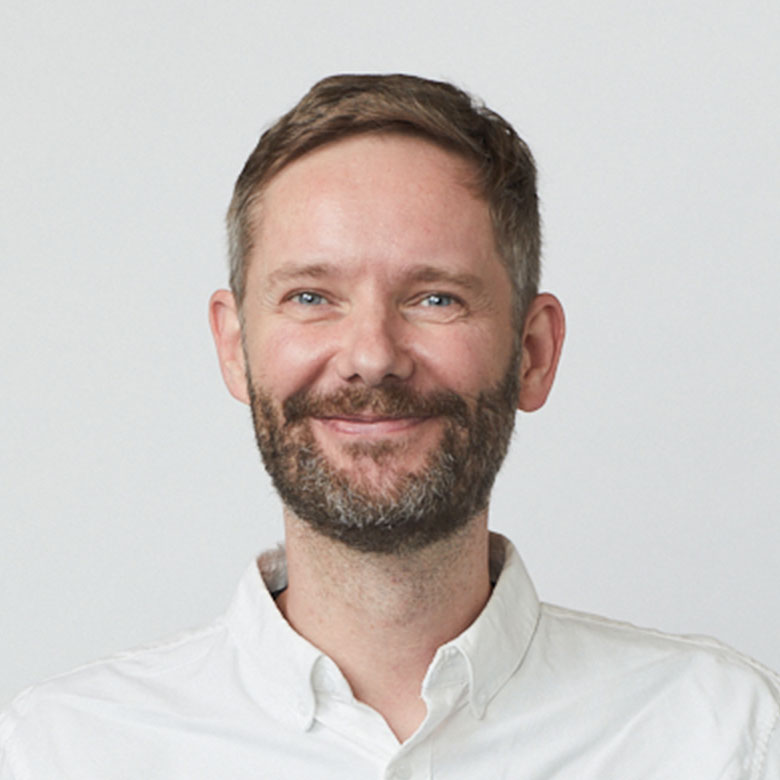
Boris Divjak Strategic & Service Design Lead ANZ
Personas are traditionally static artefacts: a poster, a slide, a section in a report. They can be useful, but easy to ignore once the project moves on. Persona agents change that relationship by turning a persona into an interactive interface; you can ask the persona questions, follow up to dive into details, and retrieve insight conversationally rather than hunting through repositories. In this session I’ll show how persona agents can make research more present in everyday design work, and what becomes newly possible when teams can interact with a persona as dialogue rather than documentation.
I will share practical lessons from building AI persona agents grounded in anonymised qualitative research. I will show how to improve their usefulness through curated verbatims, a coherent persona narrative and instructions that ground responses in evidence. You’ll leave with a lightweight blueprint you can adapt: a simple researchtoagent pipeline, prompt patterns that encourage sensible grounding, and an ethical framing that will help you position persona agents for adoption in your organisation as a way to democratise research, rather than a replacement for ongoing discovery.
Dispatches from the frontline: building AI with AI at Atlassian
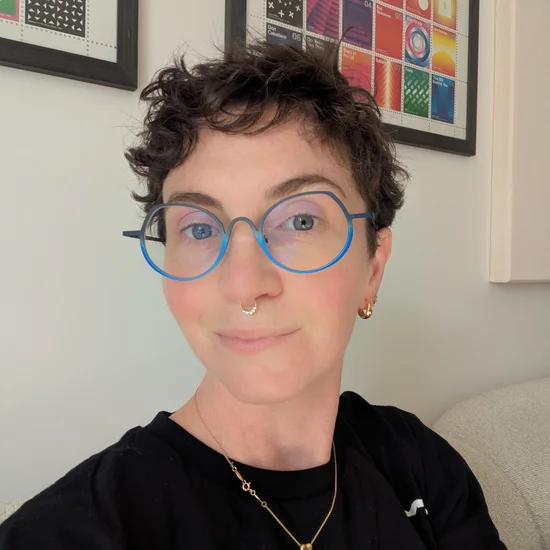
Milly Schmidt Design Manager — Rovo Studio Atlassian
Atlassian is rapidly pivoting into an AI-forward strategy, both in our features and our tools. I'm not going to get on stage and tell you AI is a magic technology that can do anything and everything; instead, I'll share some of the lessons already learned as we have gone down this road —not just about the technology itself, but also about how our customers are thinking about it, how you can upskill designers at scale and how to reconcile the problematic parts with the potential for real transformative value.
Why Designers Are Accidentally Breaking Customers' Trust in AI
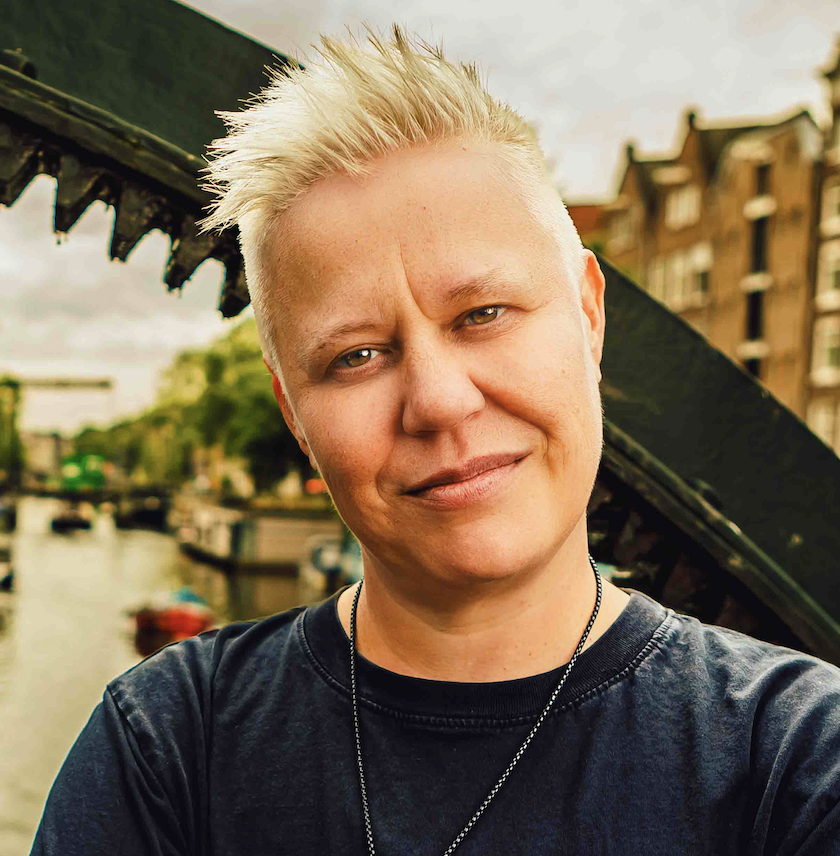
Riley Coleman Founder AI Flywheel
For thirty years, we've been designing one-way USER experiences. Now we are designing two-way Human+AI experiences. We had established principles we designed 1 user experiences with - consistency, hierarchy and removing friction. We got very good at it. And now, quietly, that mastery may be the most dangerous thing we bring to AI design. Because friction, it turns out, is precisely how humans calibrate trust. That moment of slight resistance before accepting a recommendation. The pause that lets a person feel they have agency. The explanation that slows things down but makes them feel seen. We've been trained our entire careers to sand those moments away when the experience is based on consistency, but doing so, we'll be building AI experiences that feel effortless, but remove users agency and but cannot be trusted.
This talk began not with research, but with regret; recognising my own work in a case study of AI harm during an ethics lecture at the London School of Economics. That discomfort became two years of asking other designers whether they recognised it too. Most did. Drawing on 240 interviews and eight frameworks built from that listening, this session invites designers to examine the most confronting possibility in their current practice.
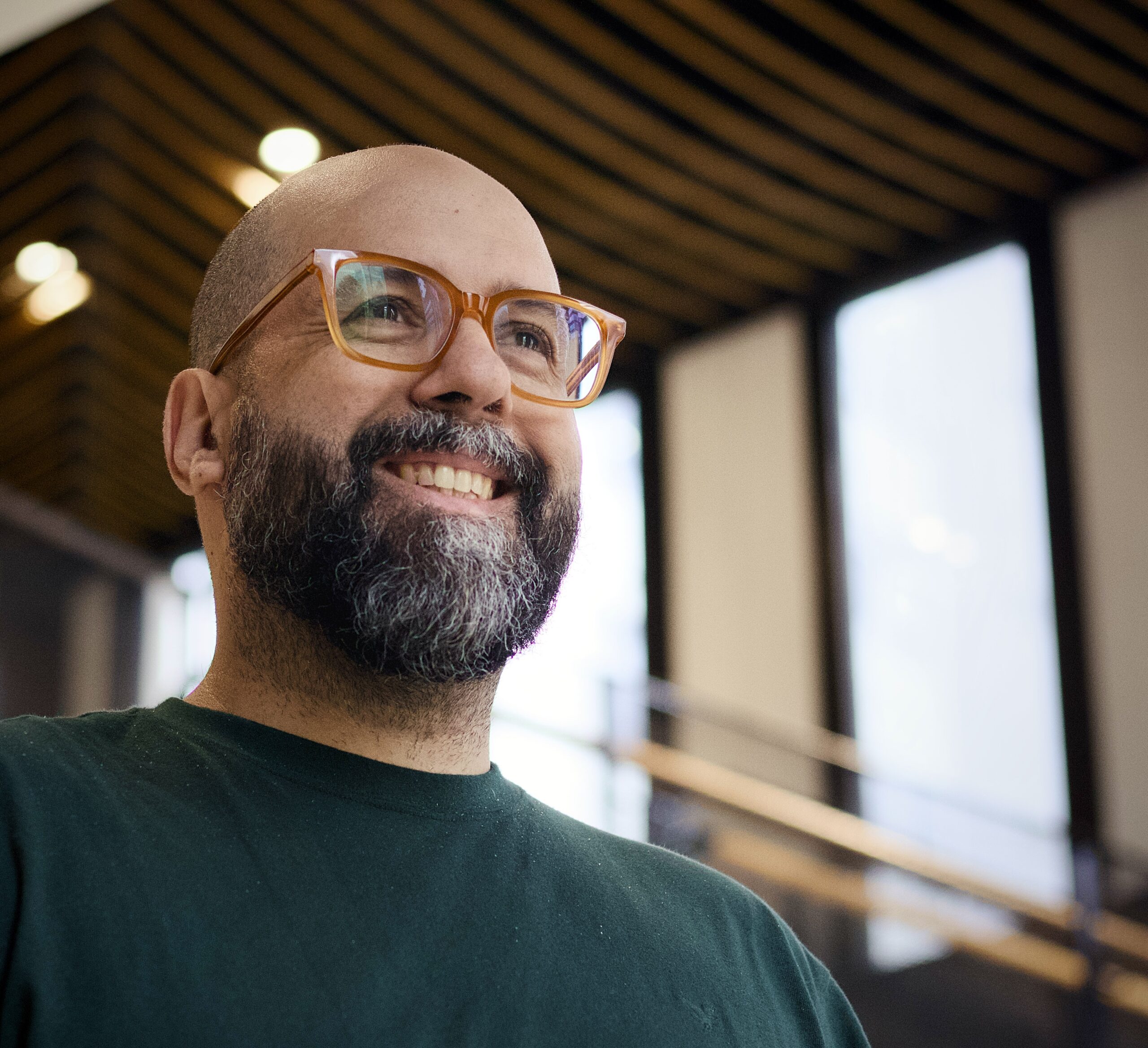
Fast ≠ good
Michel Ferreira Designer Advocate Figma
Everyone in design right now is being sold the same vision: generate faster, explore more, ship sooner. And the tools genuinely deliver on that. But somewhere in the rush, a quieter question is getting lost — are we building the right thing? For the right person? And does anyone actually own that answer?
This presentation takes an unexpected route to that question. It brings together a group of designers, thinkers and builders who never wrote a prompt, never ran a sprint, never opened Figma — and makes the case that they already solved for this moment. Through Dieter Rams on the danger of endless addition, Ray Eames on what 'working good' really means, and a 1979 IBM training slide that reads like it was written last week, fast ≠ good argues that the principles that made great design great haven't changed — they've just become more urgent. Come for the dead designers. Leave with three things you can use on Monday.