

Inclusive design for audiences with alcohol and other drug challenges
Ally Tutkaluk UX and Digital Specialist Lives Lives Well/Queensland University of Technology
Inclusive design is lauded as best practice within UX, yet the needs of certain groups in navigating digital products are still not widely known–even though those products may save their lives. People with alcohol and other drug (AOD) challenges are one such group, experiencing a range of mental, emotional, and practical impacts that can affect how they access and use a digital product. Inclusive design methods, which seek to recognise and value our diverse range of differences, are an obvious way to create more equitable digital experiences–so why isn’t it happening already? Ally will draw on her experiences in designing for this community in two capacities: as a UX designer at a mental health and AOD charity, and as a PhD candidate in inclusive design. Ally’s reflections on approaches to inclusive design may benefit practitioners working in any sector, not just healthcare. She will also encourage attendees to examine the challenges, biases, and barriers in their own practice: how might we work to overcome historical, systemic difficulties in implementing inclusive design?
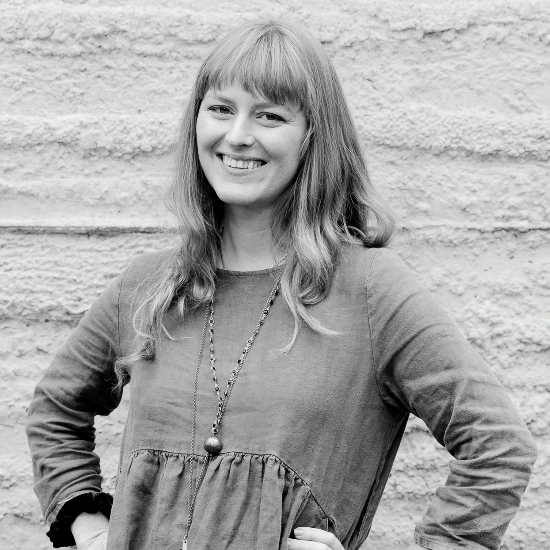
Designing for people who’ve been let down before
Billie-Mae Kennedy Head of Design Pragma Partners
Research isn’t neutral — especially when you’re working with people harmed by the very systems you're trying to improve. In this talk, I’ll explore what it means to do respectful, trauma-aware research with communities who’ve experienced violence, exclusion, or failure from government and services. This isn’t just about “inclusive recruitment” or better sampling — it’s about rebuilding trust, communicating safety, and showing up differently as a researcher. I’ll share lessons from work with people with disability, survivors, and others often left out of policy conversations, including what not to do, how to avoid taking more than you give, and what real co-design looks like when power and history are in the room. This is for anyone working in social policy, services, or government — and anyone who believes research should be a tool for healing, not just insight.
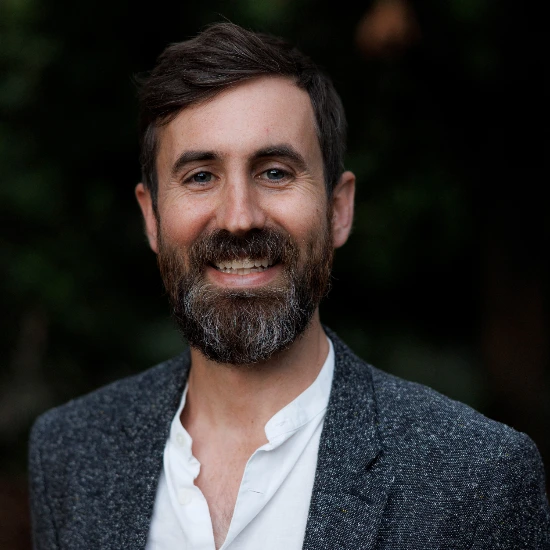
Designing for belonging: finding and keeping close people in the modern world
Ryan Hubbard Director Hinterland Lab
How do we think about belonging as a structural issue in modern society? How do we better design experiences, services, and our own lives to increase belonging? We'll explore worldwide trends as well as three big ideas that came out of Hinterland's design research project that has been mentioned in the NYTimes, Atlantic and WSJ.

The Death of the User: UX in a Fully Personalised World
Tori Sanderson Managing Director Avian
UX has always been about finding patterns—designing shared experiences that meet the needs of many. But what happens when every experience is tailored, generated, and optimised for one? As AI accelerates hyper-personalisation, the idea of “the user” as a shared archetype starts to dissolve. This talk explores what happens to UX when there’s no shared experience left to design. What does it mean to design when: * Every interface is unique? * Every customer journey is generated on the fly? * Every person engages with an entirely different product? We’ll look at how this shift is already emerging—across content, services, and interfaces—and explore the ethical, strategic, and cultural implications. If you've ever wondered what we’re still designing when the algorithm does the rest—this talk is for you. This talk is also for designers, researchers, strategists, and product people who are curious (and maybe a little uneasy) about how AI is changing the way we think about users, journeys, and value. Whether you’re already working with AI tools or just wondering what comes next, this talk will help you reframe your role in a fast-shifting landscape—and consider what it means to design with integrity, creativity, and care in the absence of “the average user.”