

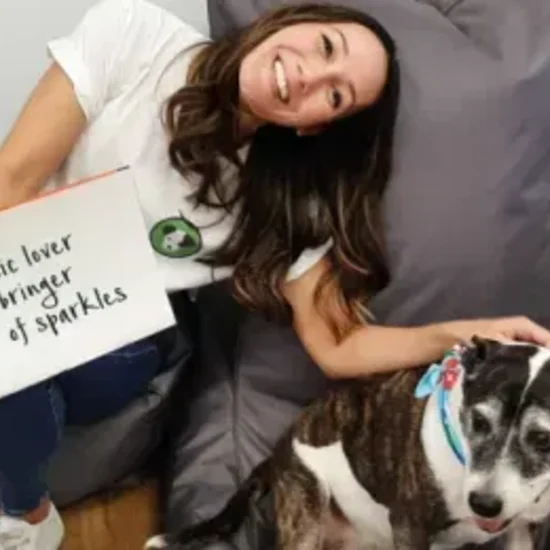
Designing for disappointment
Patima Tantiprasut CEO & Managing Director PetRescue
Most digital journeys are designed with an end destination in mind. Search, discover, decide, convert - done. The experience is considered complete the moment someone gets what they came for.
At PetRescue, that destination is a rescue pet finding a loving home. For a long time, that's where our efforts focused. When we examined what actually happens across that journey, we discovered that the most consequential design moment wasn't only the search or finding a match. It was what happened next. Given that a pet can only be united with one household, something easily neglected was the journey for the unsuccessful applicant.
Someone wanting to adopt a pet is emotionally invested and has imagined this pet as a loving companion in their life. With 100 applications for a single rescue pet not being uncommon, the unsuccessful 99 people who inevitably miss out are faced with a decision on what to do next, while feeling heightened emotions often including a form of grief and deep disappointment.
This disappointment can be compounding and lead to a pathway of turning to backyard and unsafe sources - methods which face less barriers - the exact opposite outcome of what the rescue sector exists to prevent. Emotion doesn't stop when a journey ends. It fuels whatever comes next.
This presentation is about how PetRescue is deliberately designing for disappointment - to hold and support people through it, keep them encouraged on the journey, and protect the decision that follows. It's also an acknowledgement to a continued work in progress (it's not completely solved yet!), and an invitation to look at your own products differently: not just at the moment someone succeeds, but at what you've designed (or haven't) for everyone who doesn't.
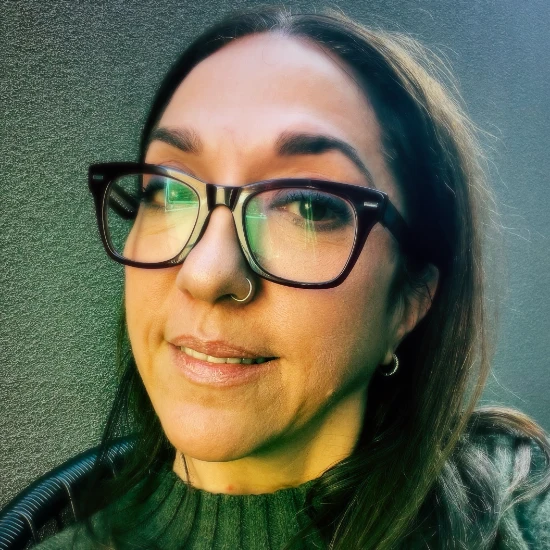
The Masking Tax: How Workplace Products Charge an Invisible Cost on Disabled Employees
Josephine Abbatangelo Senior Product Designer Movember
Invisible disabilities affect 1 in 5 people, yet most UX research processes, workplace tools, and design systems are built as if they don't exist. As a product designer at Movember living with an invisible disability, I've experienced the gap between how products are designed and how people like me actually use them.
This talk explores what happens when the designer is the underrepresented user. I'll share how my lived experience has reshaped the way I conduct discovery and design, challenge "standard" assumptions, and identify the patterns that consistently fail people with invisible disabilities.
Are we designing for everyone, or just the users we can see?

In conversation
Sam Alderton-Johnson Founder & Director Impact Policy
Sam Alderton-Johnson joins Steve Baty for a fireside chat talking about his work reframing co-design as a decolonising practice–one that recognises sovereignty, redistributes decision-making authority, and centres communities who have historically been designed for rather than with.