
All programme times are Sydney time (AEDT, UTC+11). This is the working programme and may change. Official schedule.
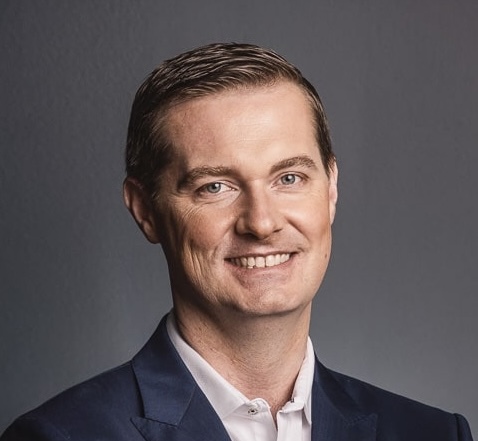
Lessons from Amazon's AI Journey
Matt Taylor Principal AI Specialist AWS
Learn how AWS transformed for and with AI with lessons learn around strategy, operating model, data foundations, governance, measurement, and change management.

The CLI is dead, long live the CLI
Jan Peer Stöcklmair Senior Software Engineer Sentry
Coding agents didn't kill the CLI. They became its most demanding users: they can't see a spinner, stall on prompts they can't answer, and treat error messages as instructions.
So we rewrote Sentry's CLI from scratch for humans and agents. This talk is a practical guide to building CLIs for both: output that adapts to its reader, prompts that never block, errors that tell an agent what to do next, and agent skills shipped inside the binary.
And no, MCP isn't dead either. We still run our MCP server, and I'll show when it beats a CLI, when it doesn't, and how we trace what agents do with both in production.
The human-only CLI is dead. Long live the CLI.
Inside Dovetail's Secure Software Factory: risk-tiered code review when everyone ships
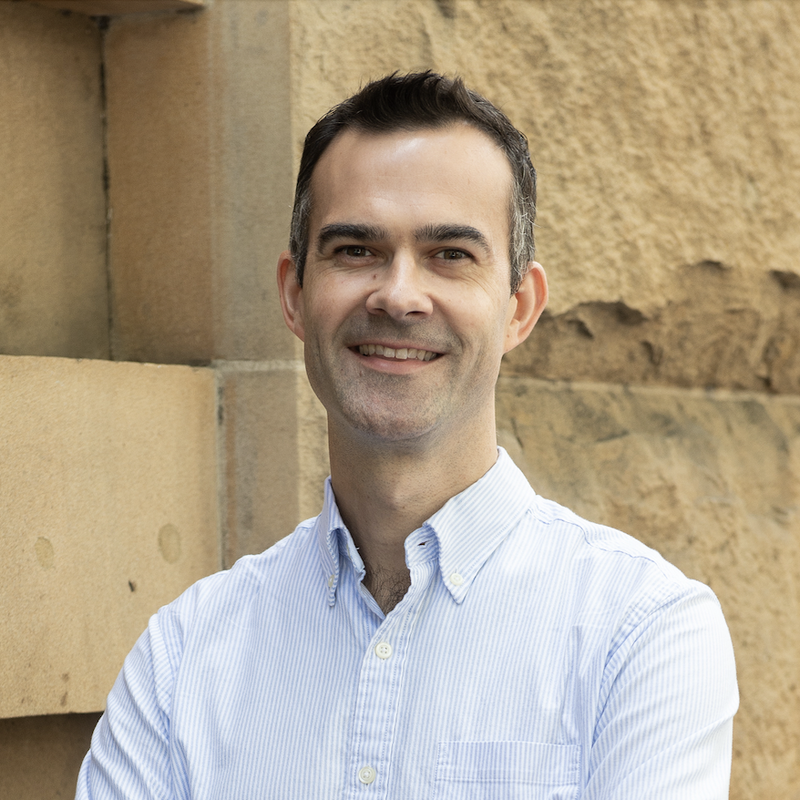
Doug Rathbone VP of Engineering Dovetail
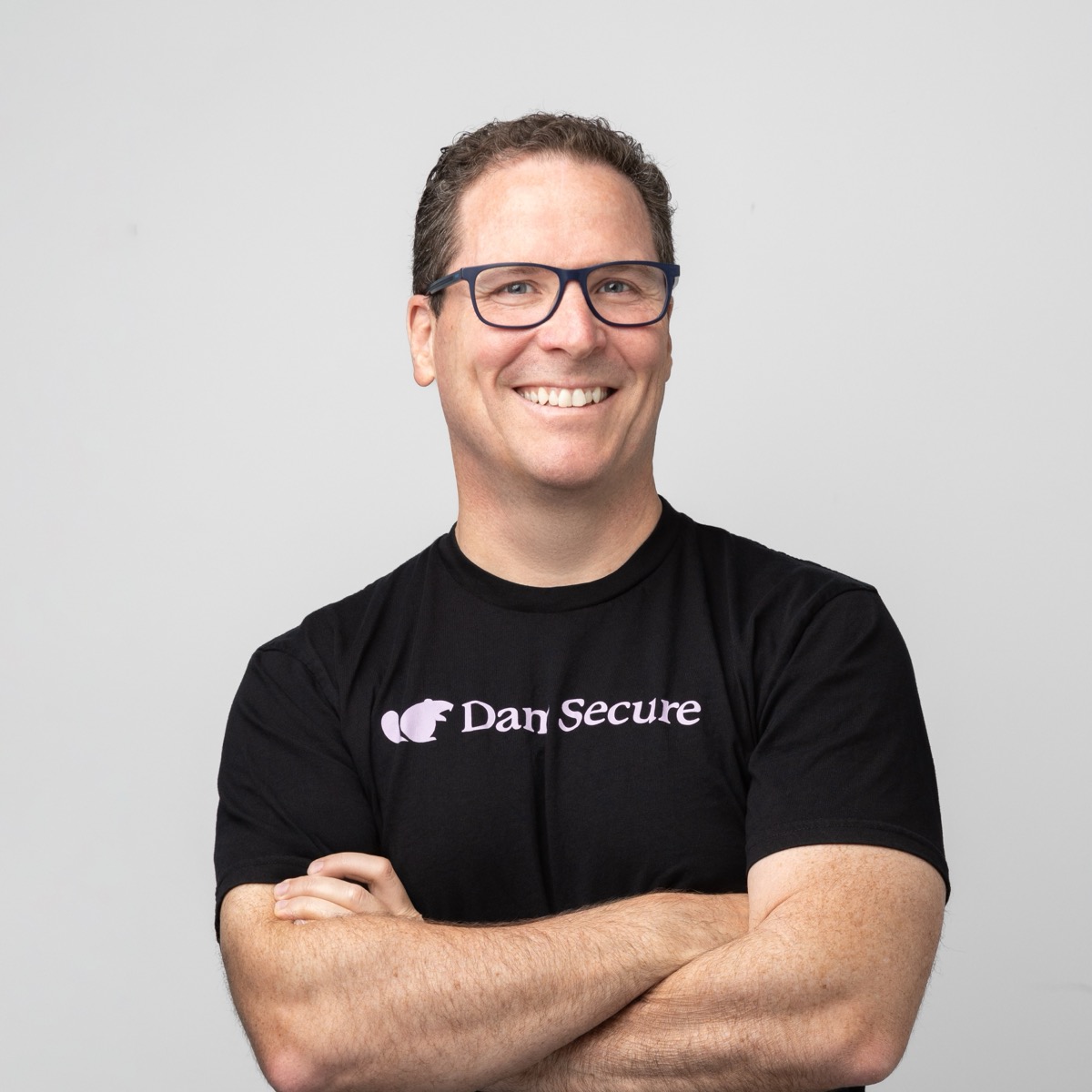
Patrick Collins CEO & Co-Founder Dam Secure
At Dovetail, engineers, designers, product managers and even the CEO ship code. Weekly merged pull requests have tripled since January, and risk-tiered review has cut time spent waiting for review by 70%.
In this joint session, Doug and Patrick take you inside the secure software factory that makes this possible, with higher levels of security than ever before.
Doug will show how Dovetail opened up shipping to the whole company, how agents coordinate work across the delivery pipeline, and how automated review bots sort every change by risk, so low-risk changes move fast and people focus their attention where it matters.
Patrick will show the security review inside that pipeline and why Dovetail chose Dam Secure. Through a worked PR example, he'll explain how application context, specialist security agents and finding verification catch meaningful vulnerabilities and give developers actionable feedback without overwhelming them.
We'll finish with practical lessons from rolling this out and how to start applying them in your own team. The aim is higher velocity, fewer interruptions for developers, and stronger security as more of the company starts shipping.

Applied Decision Models: A Closer Look at System One Models, and How and Where to Use Them
Felipe Ryan Principal Solution Architect Dev and AI Cloudflare
In this session, I'll look at so-called "System One" models: how they work at a high level, and the use cases they're best suited to.
I'll use two Cloudflare models as examples. The first is clef, an open-weight model available both as a service from Cloudflare and as weights on Hugging Face. The second is clairic, an example of a new class of System One-style models: extraction models.
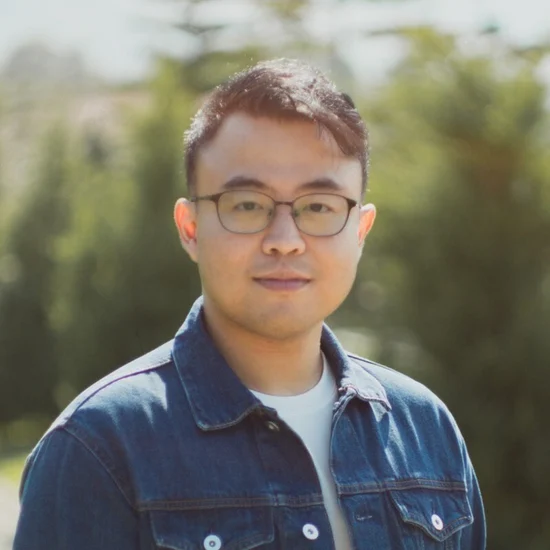
Running AI Coding Agents at Scale: Adopting New Models, Controlling Cost, and Governing What Agents Do
Anthony Ivan Staff AI Forward Deployed Engineer Databricks
Running coding agents across a company comes down to three questions: which models to offer, how to control cost, and what agents should be allowed to do. This talk gives four recommendations on those questions, drawn from running coding agents for 12,000 employees at Databricks.
Offer new models early, and let data choose the default: every model reaches everyone on release day, and within a week, test results, user feedback, and cost decide whether it becomes the default. Use separate limits for accidents and for planned work: a daily limit engineers can extend themselves, and monthly limits a manager approves. Look at how agents use tokens, not just the price: one day of logs found tool bugs costing an estimated $1.2M a year. Control what agents do, not only what they can access, because actions that are allowed on their own can be harmful together.
You'll leave with a process for adopting new models, a budget design you can copy, a way to find wasted spend in your own logs, and a measure for each recommendation that shows whether it's working.
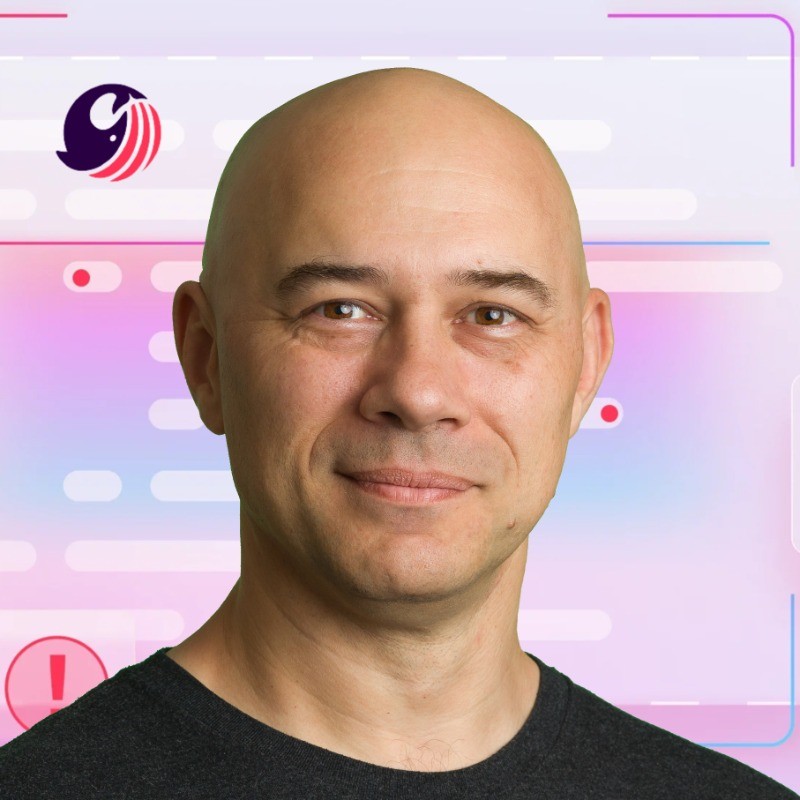
The Machine That Changed the World, vAI
Andre Kolodochka Solutions Engineer Sonar
AI agents can write code faster than any team can review it. Code is abundant. Confidence is scarce. Join Andre to learn how leading enterprises are building agentic software factories they can trust. Learn about:
- Why human review, LLM judges, and agent self-checks break down at agent speed
- The Code Confidence Formula: Intent × Guiderails × Verification × Evidence
- How independent, zero-trust verification delivers up to 36% lower token consumption and 92% fewer issues in committed code
Walk away ready to code with confidence. On every change. At any volume. At agent speed.